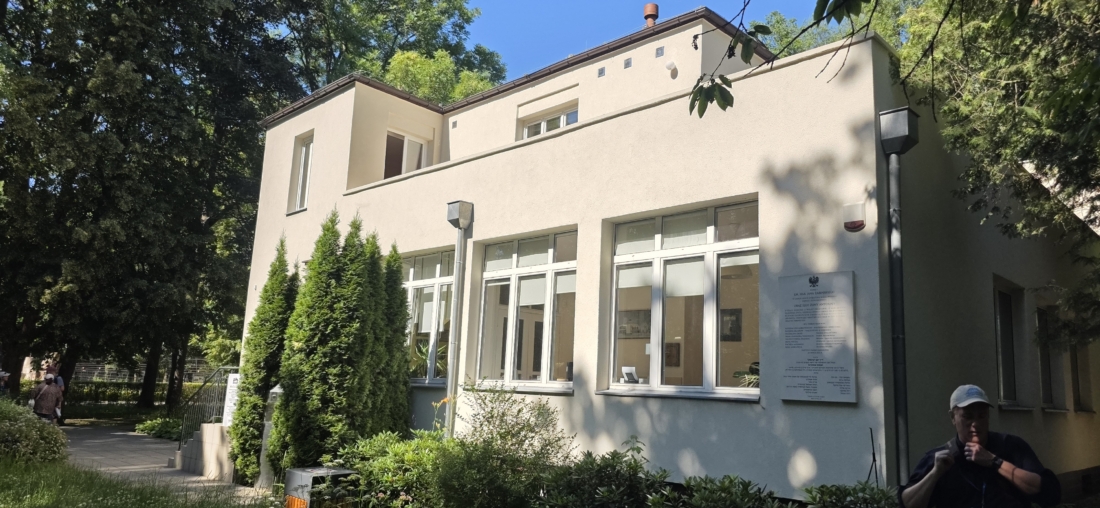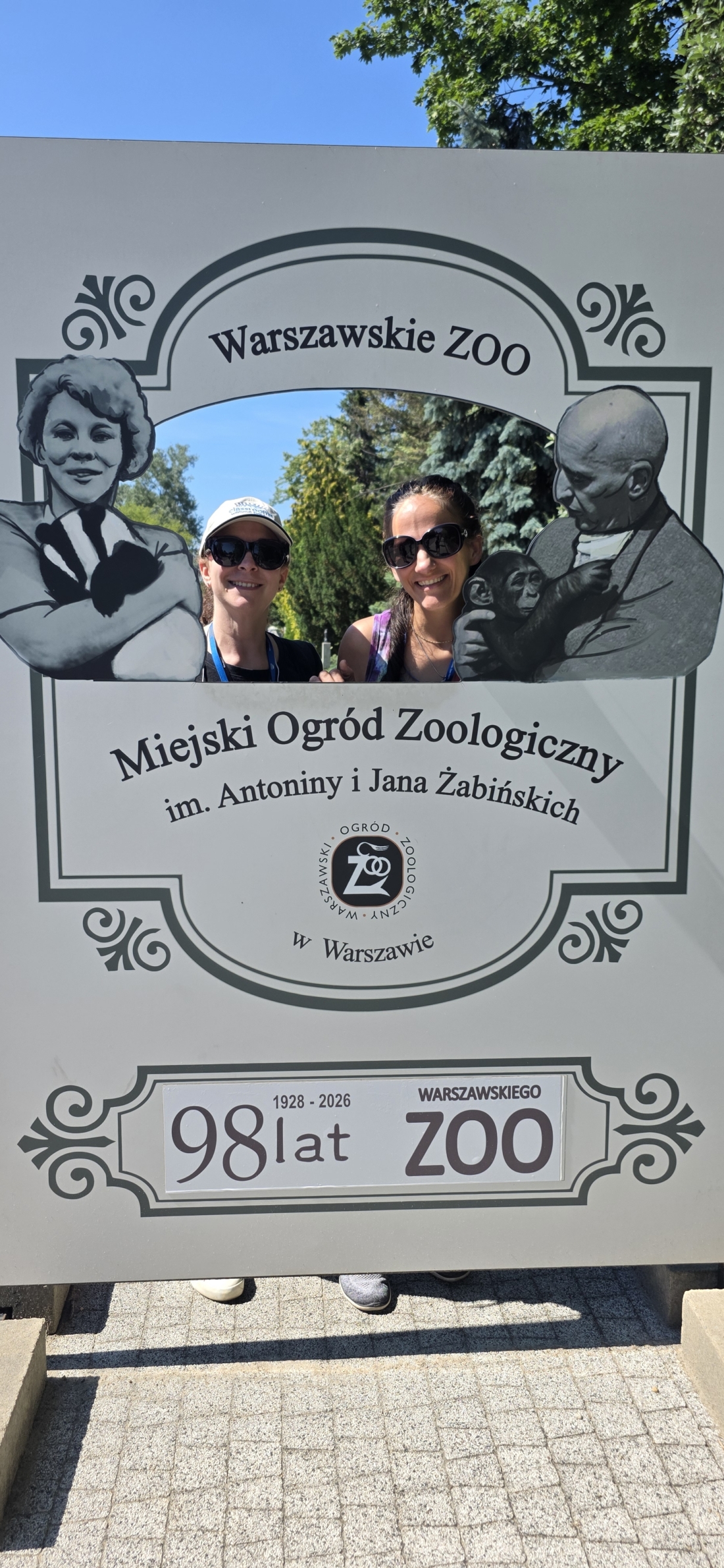
Being in Warsaw, I keep asking myself how would I even begin to fight back against so much hatred and power. Antonina Żabińska used her skills and talents to save 300 people, 298 who survived. She didn’t have an army or political power; she had a house, a piano, an incredible empathy for living things, and a willingness to not let fear dictate her humanity.
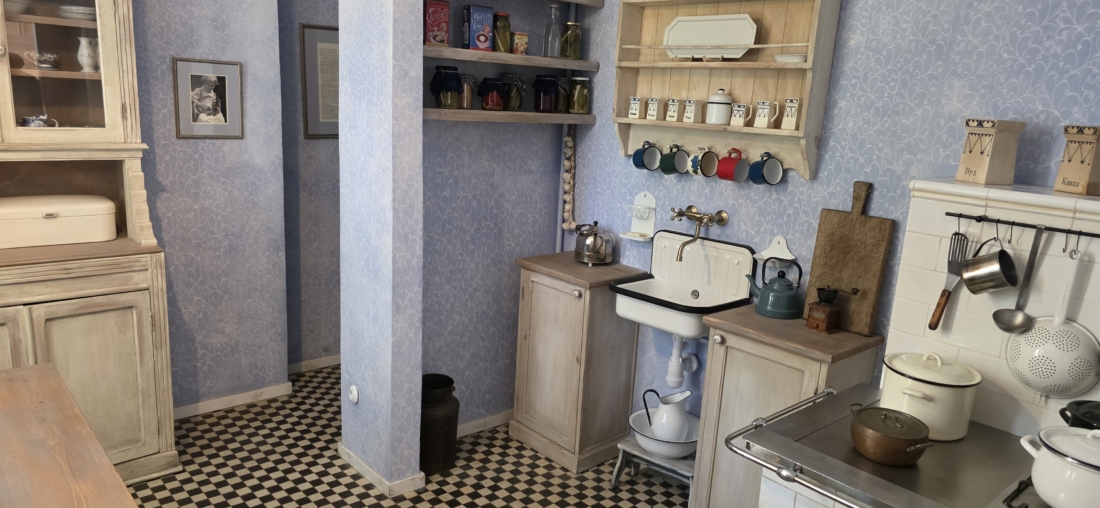
As I stood in the tiny kitchen, one much smaller than my own, I pictured her cooking and serving love and humanity to everyone. Many of the hidden individuals saw the Żabińska home as their own home. A survivor said he had a happy childhood due to Antonina Żabińska’s care, even in the midst of the horrors around them. While the Nazi occupation attempted to strip away human dignity and reduce life to cold, mechanical cruelty, Antonina used the warmth of a home to preserve the sanity and humanity of those she hid. She fostered the arts, reading, and a sense of community. The Żabińska’s were true heros to all who entered their home.
It is my hope that I can create the same atmosphere in my own classroom. I may only have my students for a year or two, but I want them to look back and think they had a happy childhood. I want to be a safe place where students can learn and grow in empathy in a world that can seem chaotic and scary at times. While I may not be as heroic as the Żabińska family, I can use my own skills and talents to make a difference in my students’ lives.
We often think we can’t help the world because we don’t hold positions of immense power. The Żabińska’s story proves that when you open your door and use your natural skills—whether that’s cooking, organizing, creating comfort, or simply offering a safe space—you can save a life. I hope we may never be called upon to hide hundreds in a time of war, but we are called upon to face our own dark times. The question Antonina leaves us with is simple: What ordinary grace do you hold in your hands today that could become someone else’s sanctuary?