One of my main goals for this seminar is to deepen my understanding of Jewish history, but also to grow both personally and professionally through the stories, experiences, and lessons of others. I believe there is so much to learn from people whose lives and experiences have had such a profound impact on world history.
As a teacher in a Jewish school, this journey is a unique opportunity to better understand the history, culture, and context of the children, families, and colleagues I work with every day. By gaining a deeper appreciation of their heritage, I hope to build stronger and more meaningful connections with my students, creating a learning environment rooted in understanding, empathy, and respect.
Cemetery
A cemetery is more than a place where people are remembered; it is also a reminder of the stories, values, traditions, and lessons that are passed from one generation to the next. It made me think about how history, culture, faith, and family experiences shape who we are and how we understand the world around us.
One of the most meaningful lessons I took from this visit is that remembering is not about living in the past. Rather, it is about learning from it. When we preserve stories and pass on the wisdom gained through experience, we create opportunities for future generations to make thoughtful choices, build stronger communities, and approach others with greater understanding and compassion.
Memory has the power not only to honor those who came before us, but also to help guide the future we choose to build.
Ultimately, my goal is to use this experience to become a better educator—one who can help students engage in deeper, more meaningful learning by connecting knowledge with identity, history, and human experience.
Zoo
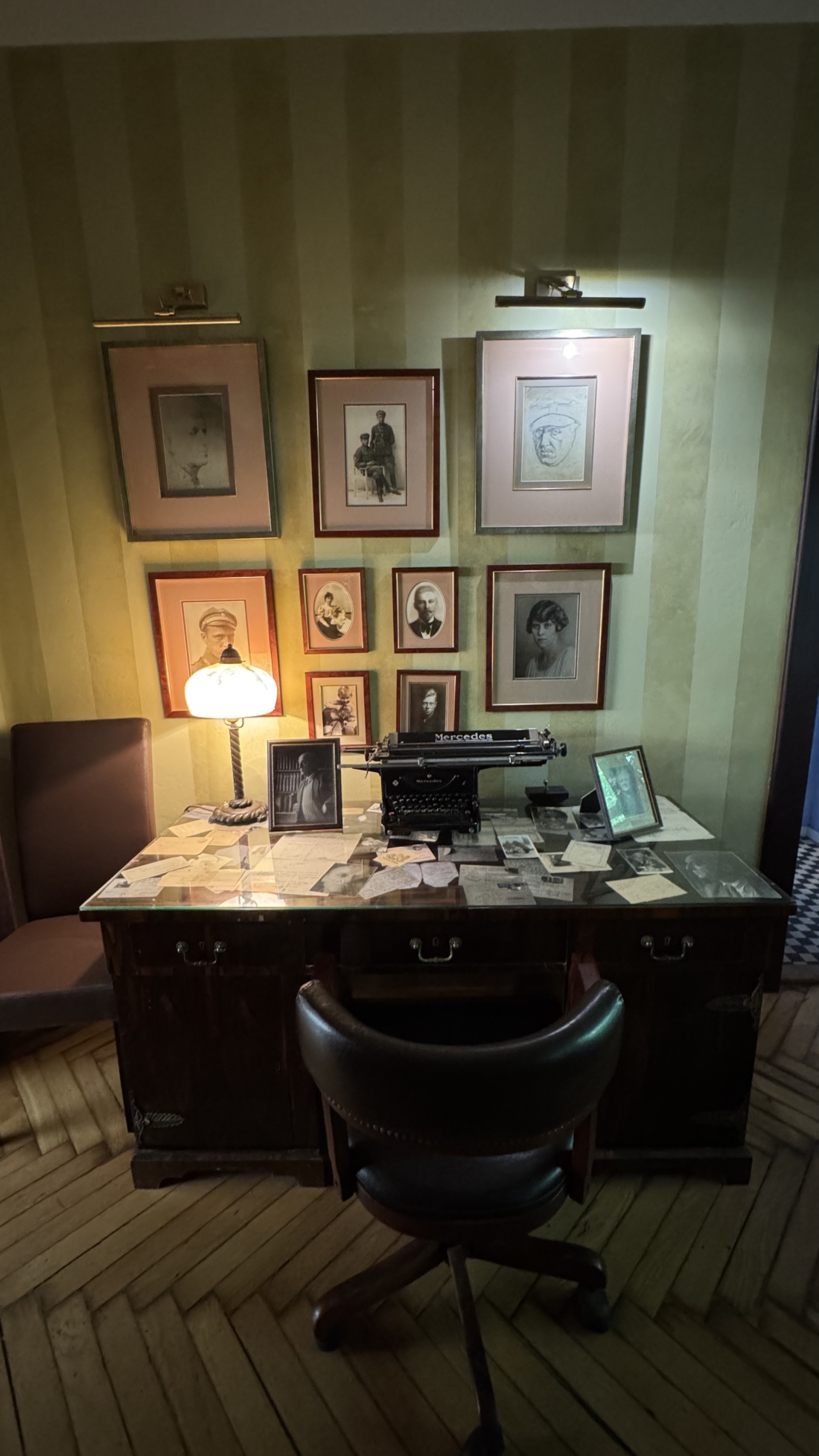
Our visit to the Warsaw Zoo was not really about the animals. We came to learn about the Żabiński family and the extraordinary role they played during World War II. Although I already knew their story before arriving, being there in person was a completely different experience.
Walking through the grounds, standing inside the house, and seeing the basement where Jewish families hid from the Nazis transformed a historical story into something real and deeply human. It was impossible not to wonder what it must have felt like to live with that level of uncertainty, fear, and danger every single day.
As I listened to the stories and imagined the reality of those years, I found myself reflecting on one of the most important lessons I have learned throughout this journey in Poland: resilience. The Jewish people endured unimaginable hardships, yet they continued to preserve their identity, their values, and their hope. Their resilience was not simply about surviving difficult circumstances; it was about refusing to let those circumstances define who they were.
This visit also made me think about how the way we face challenges can shape our future. Difficult situations are inevitable, but our response to them determines the people we become. The stories I have encountered in Poland have shown me that resilience is not the absence of fear or pain—it is the decision to move forward despite them.
I was equally inspired by the selflessness of the Żabiński family. They risked their safety, their freedom, and their lives to protect others. Their actions were not motivated by personal benefit but by a commitment to something greater than themselves. In a world where fear could have justified inaction, they chose courage and compassion.