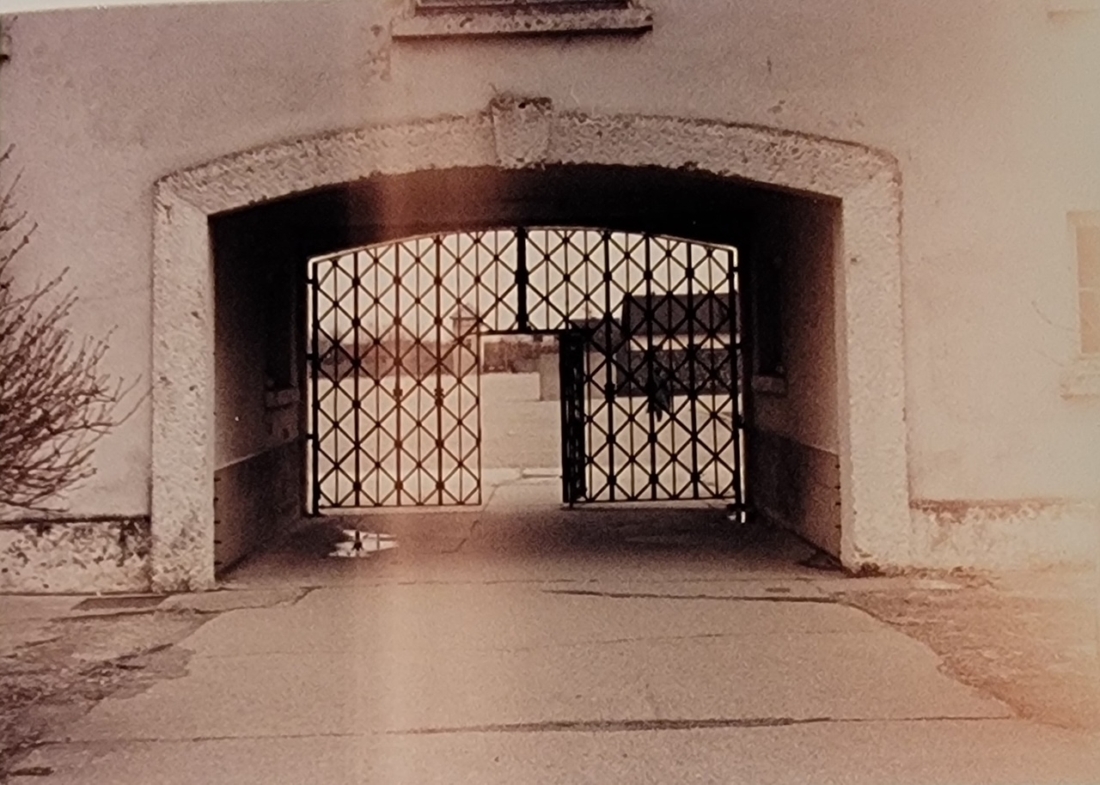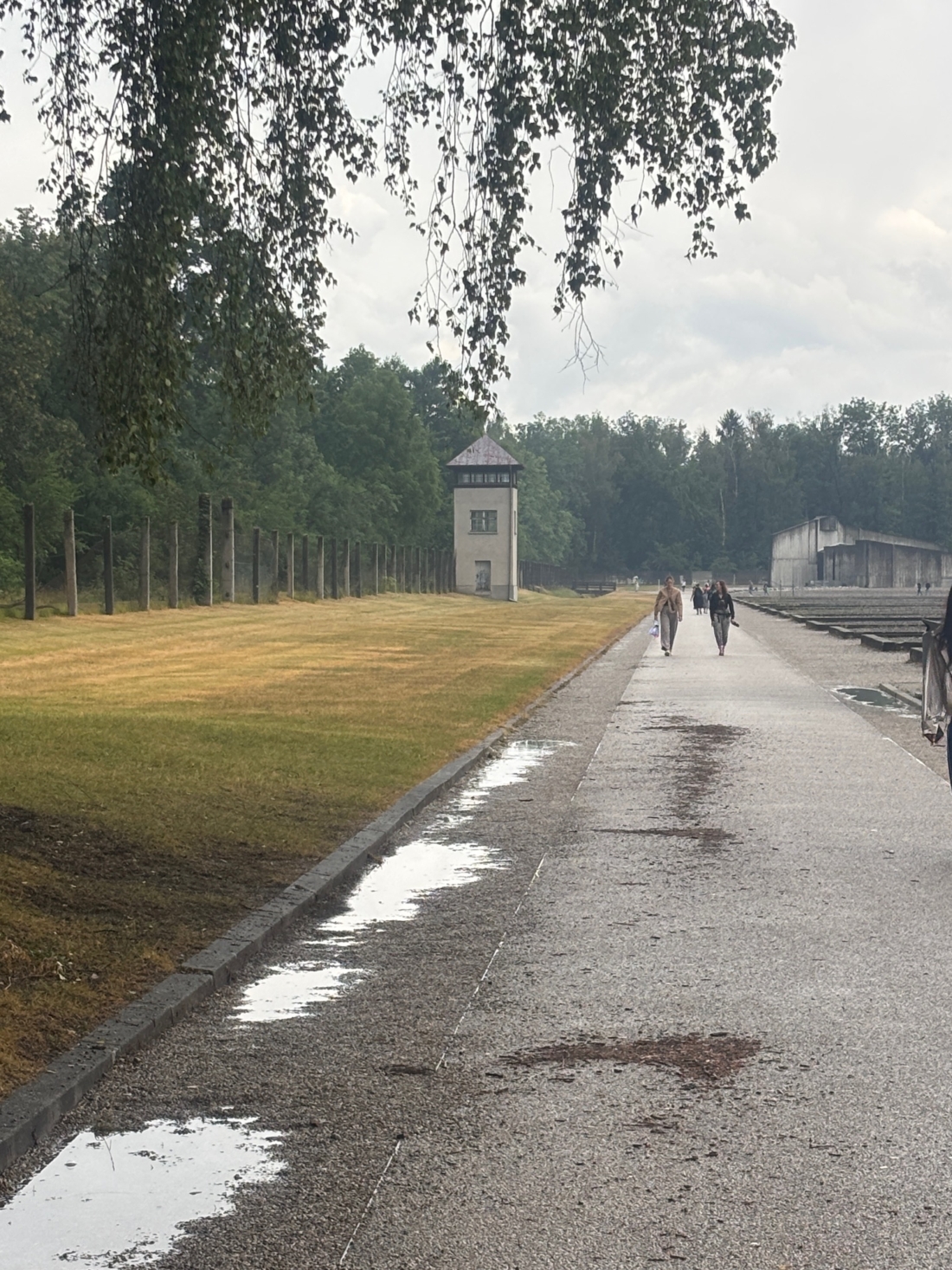
The most well known concentration camp is Dachau. It began just after Hitler took power in 1933, and it was liberated ten days before Germany surrendered in 1945. Throughout its course, about 200,000 people where sent to Dachau. The camp records have the name of about 180,000. Those sent to Dachau were political prisoners. After Dachau was closed as a concentration camp, the German government used it for a refugee camp. Dachau was not made a memorial site until 1965. Since then millions of visitors have come through the site.
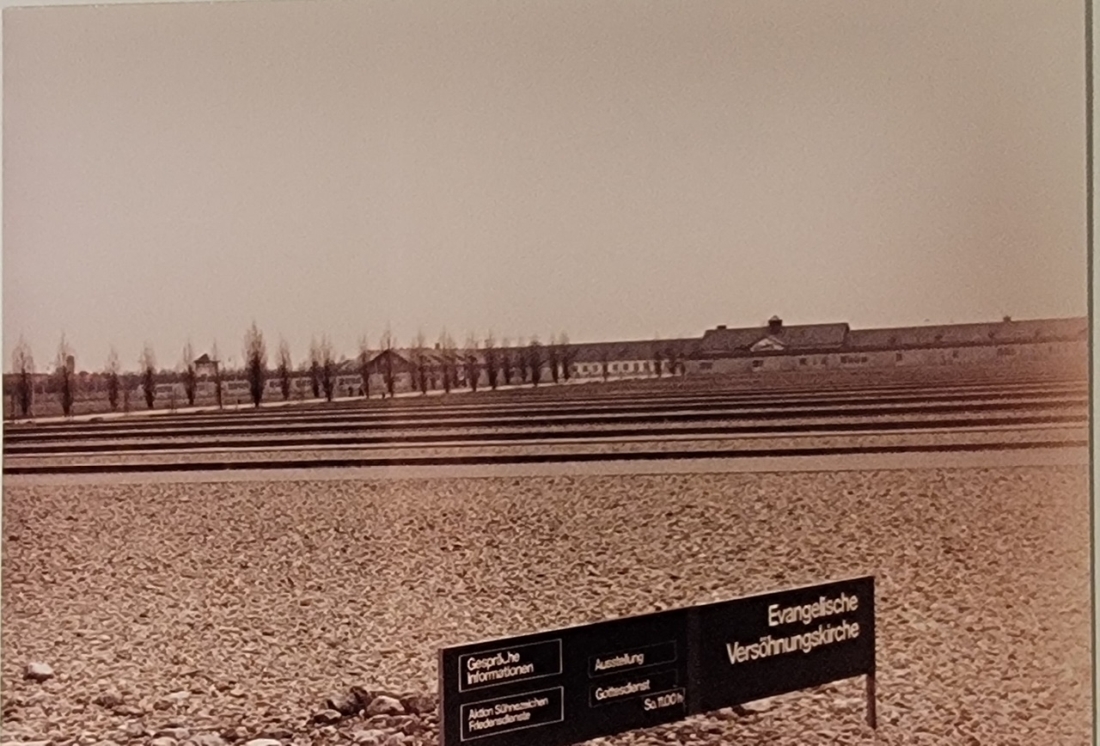
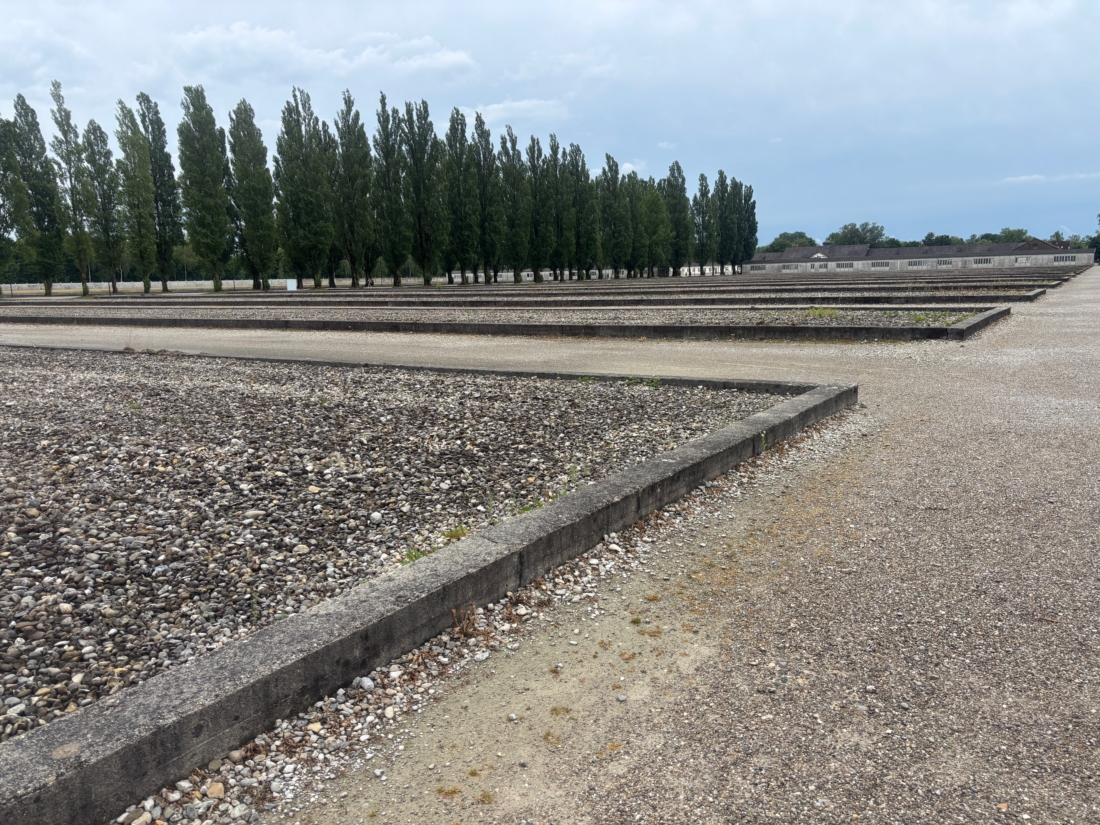
Dachau is different than other camps, and you will recognize that as soon as you step through the gate. The first thing visitors notice is the huge empty space in the middle of the camp. Each day those at Dachau to stand to be counted. To the left of this huge empty space contains what is left of the 34 buildings that housed the “prisoneers.” Tucked in the back left cornor would be the crematorium. Because Dachau was not built to kill, the crematoriums were not massive. The first one was built in 1940. Barak X was not built until 1942/1943. However, only about 45,000 were killed/starved to death here at Dachau.
Because of the high percentage of those that survived Dachau, there are many accounts of what life was like there. When you have three survivors of Dachau together, their memories will be different. No two people will remember the exact event the same. Their accounts will be different. There are groups of people out there that will take these different memories and use them to show that the Holocaust was fake – a story made up by Jews to get sympathy. These people expect everyone at Dachau to have the same memory. However, that does not even hold up when listening to eye witness accounts of an accident. Also, if the Holocaust did not happen, why does Germany and Poland spend money into their camps to preserve the history, so that we do not forget what happened in the 1930s and 1940s. Because no survivor’s story is the exact same, it helps the historical narrative in understanding what took place at Dachau and other camps.
These memories help the next generations to understand what took place at Dachau and other camps, and why Germany and other countries go through so much to preserve these location as memorial sites.
This preservation allows millions of people each year to see a concentration camp and to learn many lessons from the past.