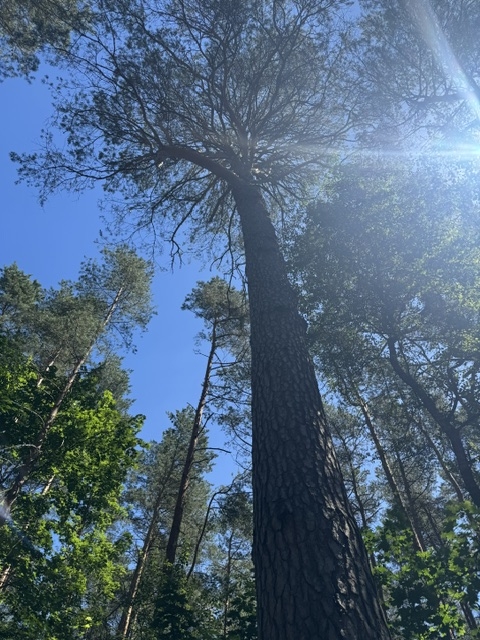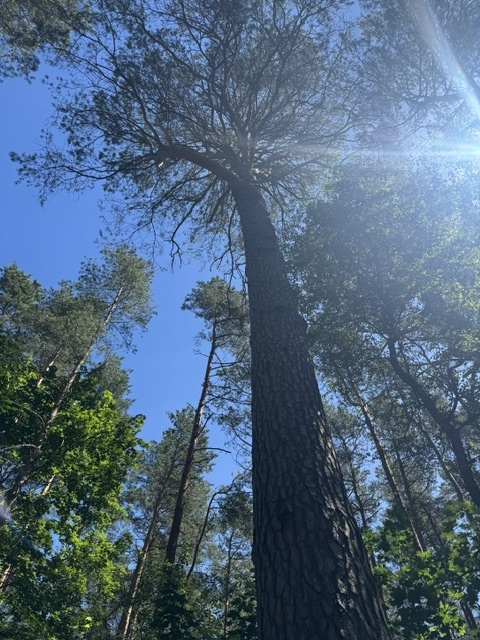
Yesterday, as part of my journey through Poland with Classrooms Without Borders, I visited Treblinka. It was an experience that challenged me in ways I did not expect. What struck me immediately was the setting itself. Tall trees surrounded the memorial grounds. Birds chirped overhead. Wildflowers grew among the paths, and the sun shone brightly throughout the day. It felt almost park-like, peaceful and beautiful in many ways. Yet at the same time, I was intensely aware that I was standing on ground where some of the greatest atrocities in human history had taken place. The contrast between the serenity of the landscape and the horror of its history created a difficult emotional and intellectual tension that I struggled to process.
As I walked the grounds, I found myself reflecting on the extraordinary courage and wisdom of those who understood that the world needed to know what was happening at Treblinka. Without their determination to document the truth, much of what occurred there might have been impossible to comprehend or even believe. I felt a profound sense of gratitude toward those who escaped, returned to the ghettos, and recorded firsthand accounts of what they had witnessed. Many of these individuals would not survive the war themselves, yet they understood that preserving the truth was essential.
Their testimonies gave substance to the phrase “Never Again.” Without them, those words risk becoming little more than a slogan. Their accounts provide the details—the what, the how, and the human reality behind the warning. Because they documented what they saw, future generations can understand not only that these atrocities occurred, but also how ordinary people became victims of extraordinary evil. Their voices continue to educate, challenge, and warn us.
In the end, those voices helped me reconcile the peaceful surroundings with the history beneath them. Hearing the first-person stories centered me and brought a deeper mindfulness to the experience. They allowed me to picture the people, name the places, and connect the landscape before me with the events that unfolded there. Standing in that quiet setting, I was reminded that remembrance is not passive. It requires listening, learning, and bearing witness. The witnesses of Treblinka gave us that opportunity, and for that I left with a deep sense of gratitude.