by Dr. Melissa Boston
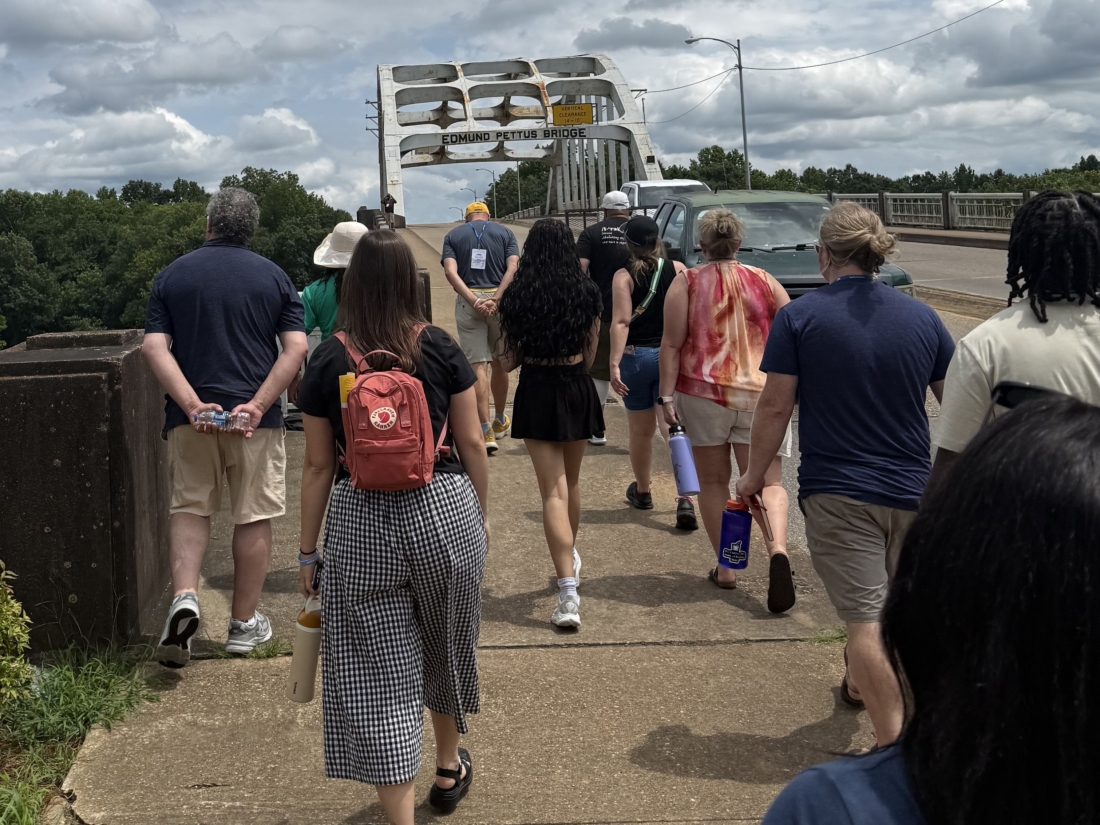
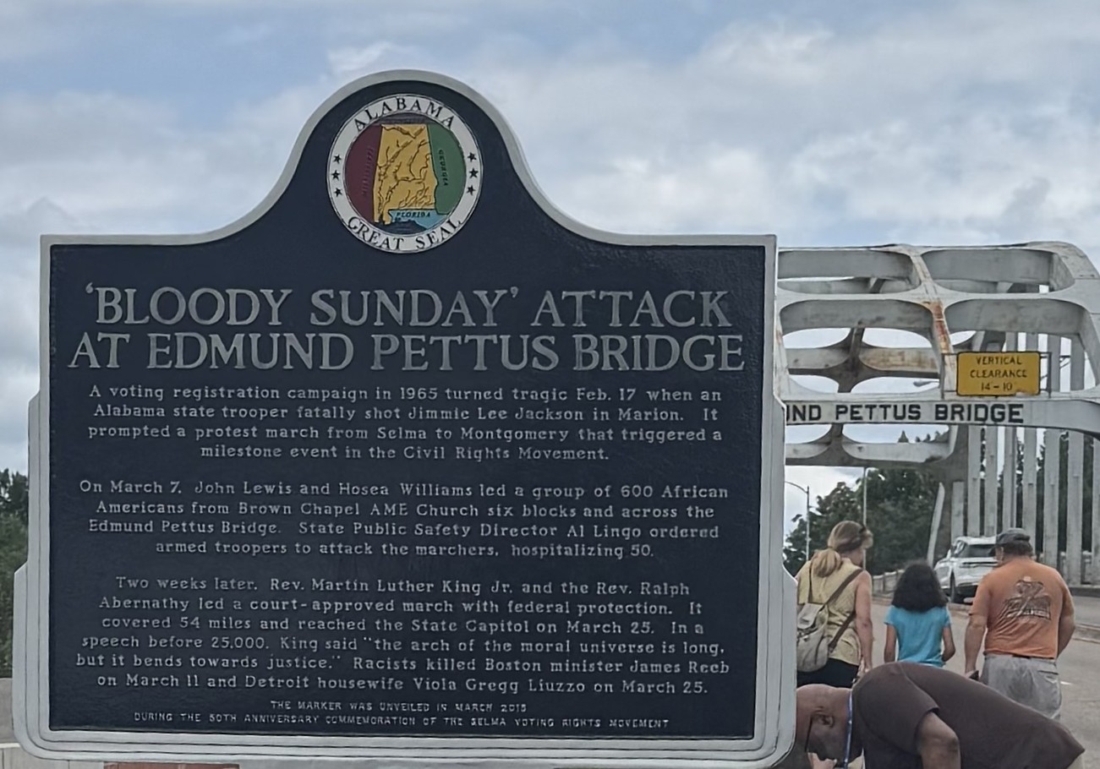
Tuesday was an amazing day of listening and learning. Even though the stories were sometimes hard to hear, they are stories that need to be shared and learned by each generation. Today we explored the U.S. Civil Right Trail from Selma to Montgomery, including tours of the Lowndes County Interpretive Center, Foot Soldiers Park and Reflections Coffee Shop, the Edmund Pettus Bridge, and the National Voting Rights Museum and Institute.
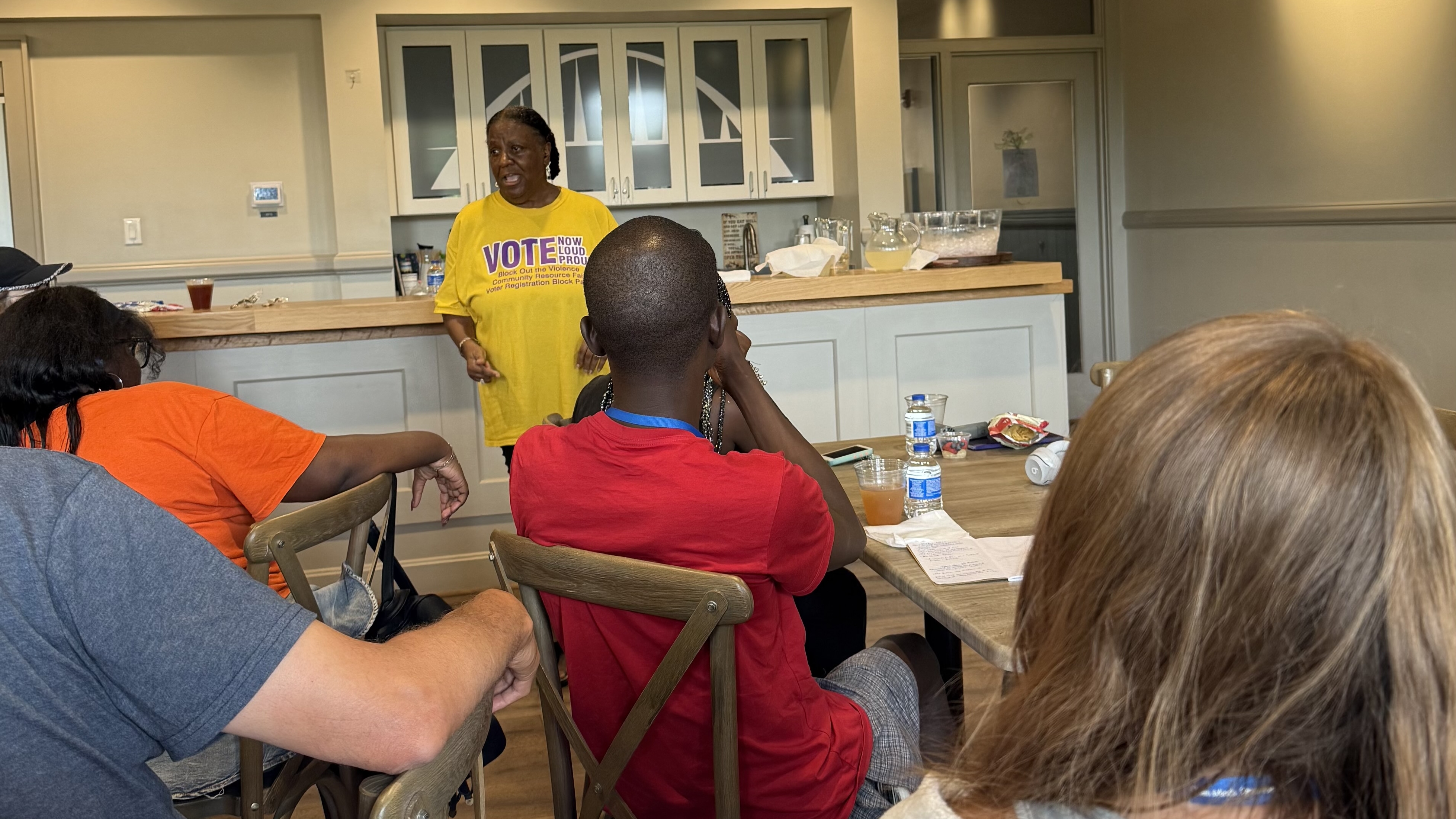
The highlight of the day for me was hearing from Barbara Barge, who participated in the initial “Bloody Sunday” march from Selma to Montgomery as a student of only 15 years old. To hear the first-hand account of her experiences prior to and during the march was sombering, but to hear her current mission and call to action around voting rights was energizing. Barbara’s words and stories reverberated throughout the exhibits we viewed at the museums, especially though the pictures and news footage of the violence experienced by the Foot Soldiers as they engaged in a peaceful march for their right to vote. Equally as heavy to hear were the stories of those who had lost their lives in the fight for Civil Rights, especially as we stood in the places where these events had occurred.
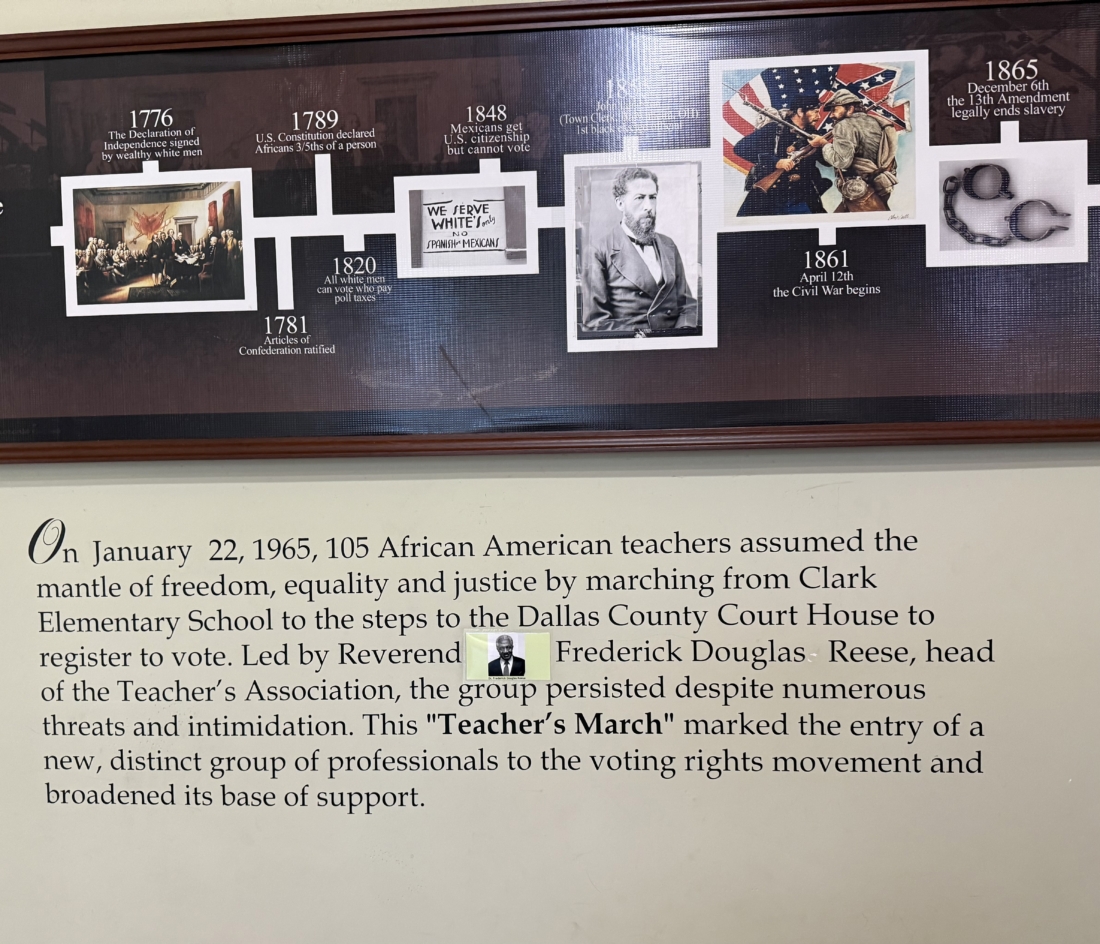
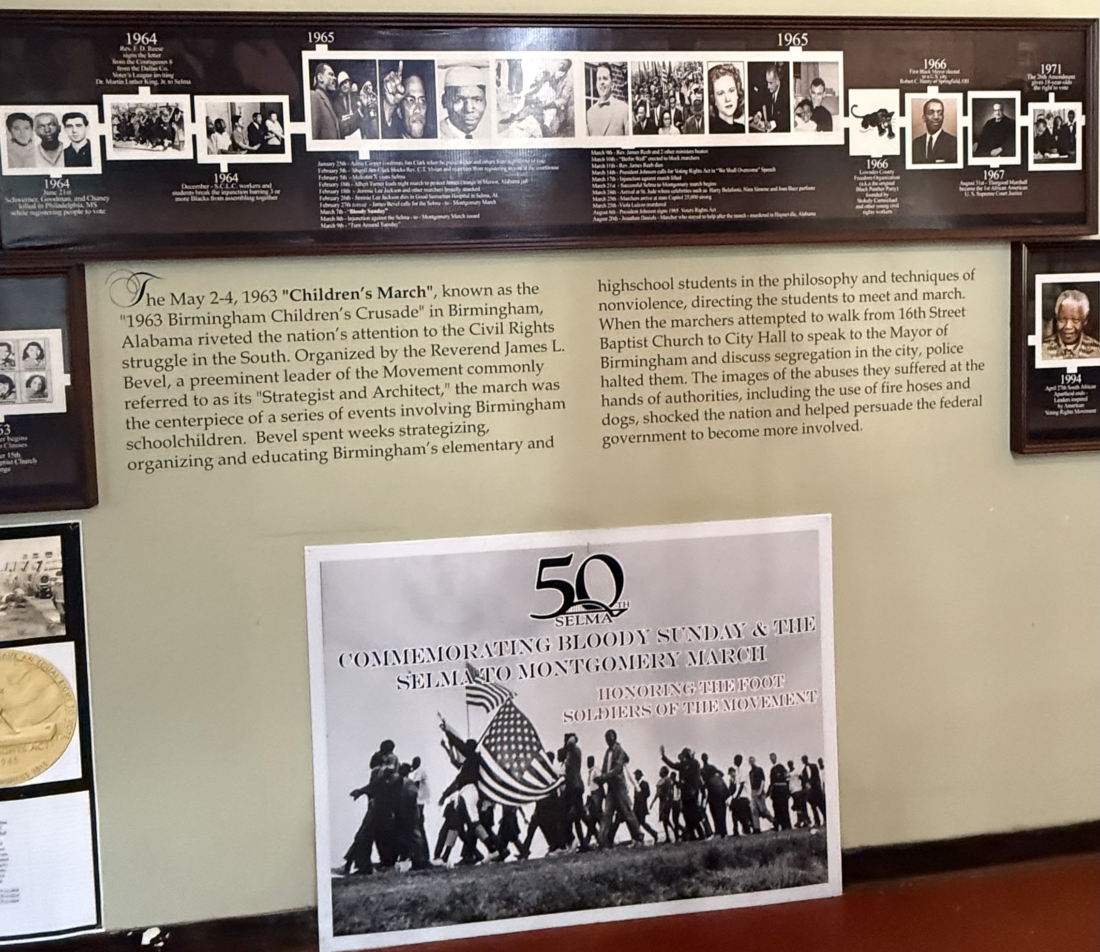
As a teacher and professor, I have been moved by the role of students, teachers, college students, and professors in the Civil Rights Movement, including Barbara and her classmates’ participation in the march from Selma to Montgomery, the Teachers’ March in Selma, the Children’s March in Birmingham, the non-violent sit-ins organized and conducted by college students, and the efforts of a professor to mobilize the bus boycott following Rosa Parks’ arrest in Montgomery. As we walked across the Edmund Pettus Bridge (ourselves a group of students, teachers, college students, and professors), I wondered how we can continue to walk the path of the Foot Soldiers and continue to march their ideas forward in our current spaces and contexts?