by Julia Williams Harris
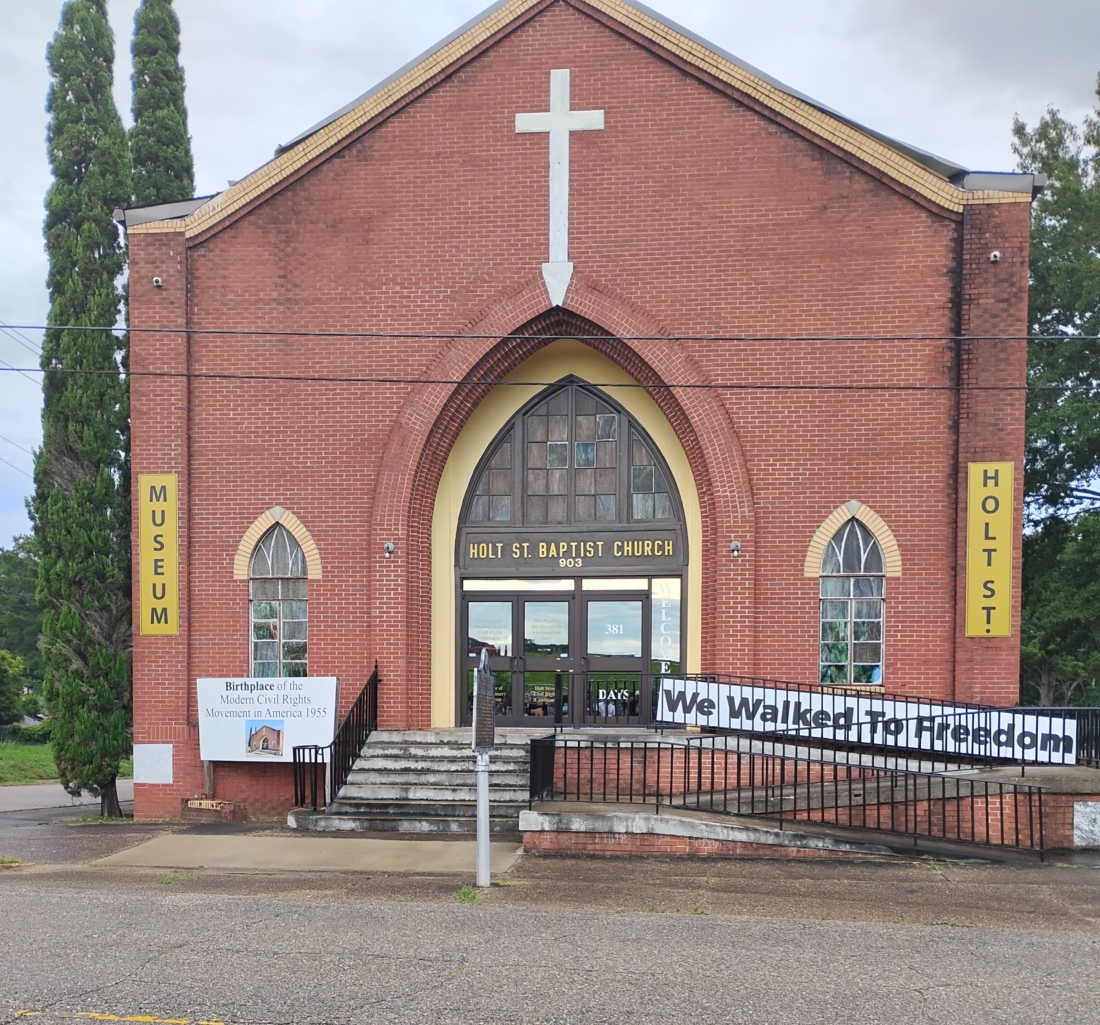
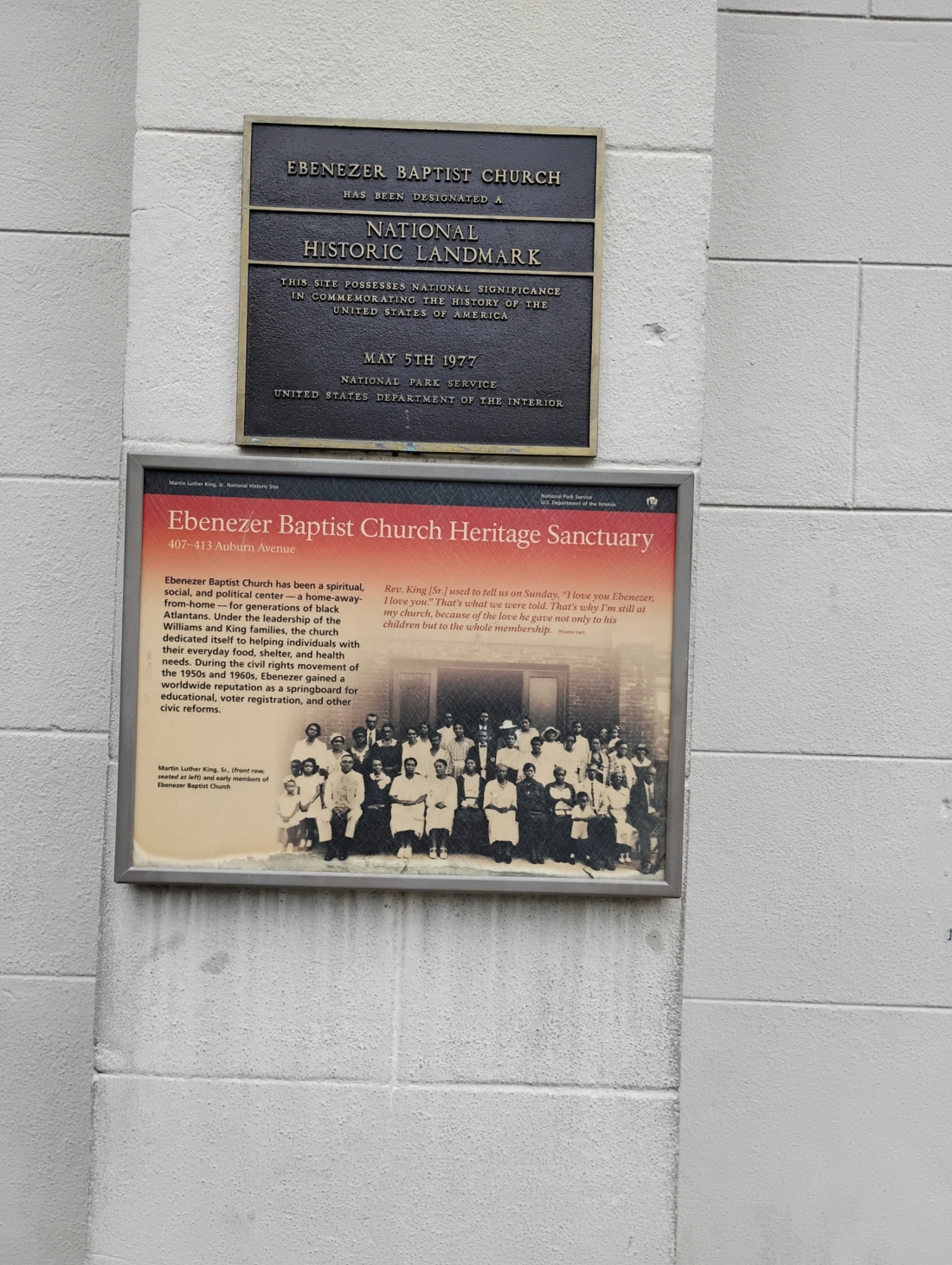
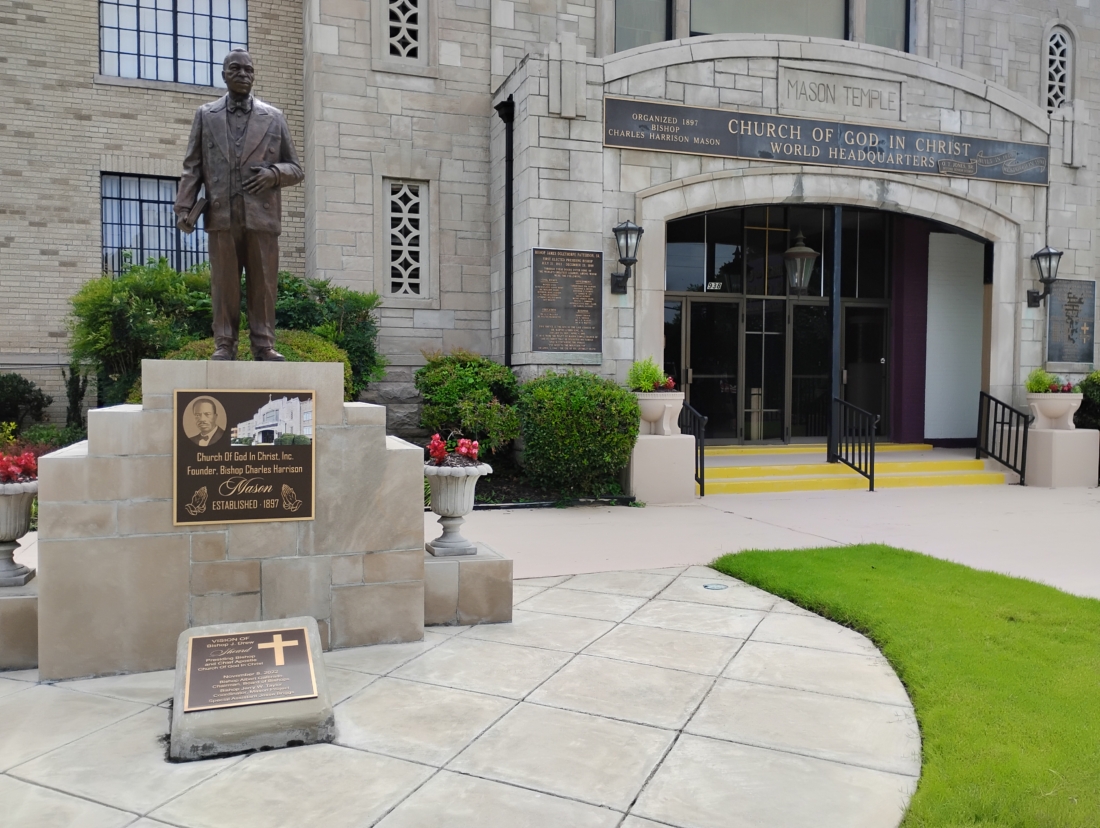
Earlier this week in Georgia we visited several sites that highlighted the work of key civil rights activists such as Dr. Martin Luther King, Congressman John Lewis and Mrs. Rosa Parks. We also visited places of worship that was integral in supporting the civil rights movement. I noticed in so many key events during the movement young John Lewis was there. At that time not in the fore front like Dr. King but walking along side and experiencing the same brutality as the others. Yet these events didn’t cause him to shrink back in the shadows but to rise up and take a stand. One of his key quotes “when you see something not right, not fair, not just do something. Good trouble”. I wonder what “good trouble” we need to get into today?
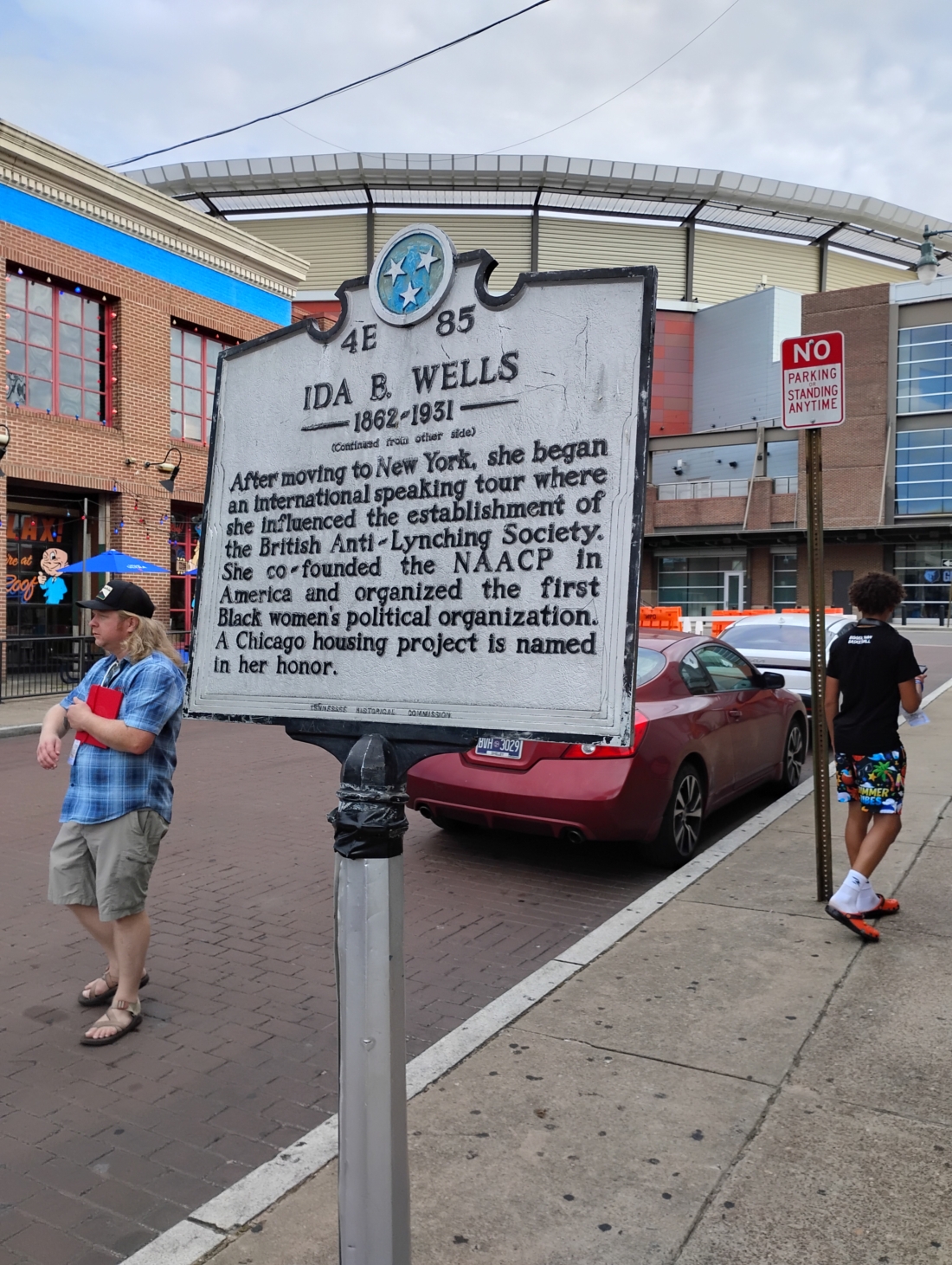
Friday we walked down Beale Street to see the monument honoring Mrs. Ida B. Wells. This great woman was a journalist and social activist who made a significant impact on shedding the light on the horrific murders of Black people by the practice of lynching. Through her statistical research she dismissed the belief that these murders were due to rape crimes the individuals had committed. The statistical data was collected in a document called the “Red Book” that provided the “first” authentic data on lynching. She was also one of the founding members of the NAACP. One of her quotes: “the way to right wrongs is to turn the light of truth upon them.”
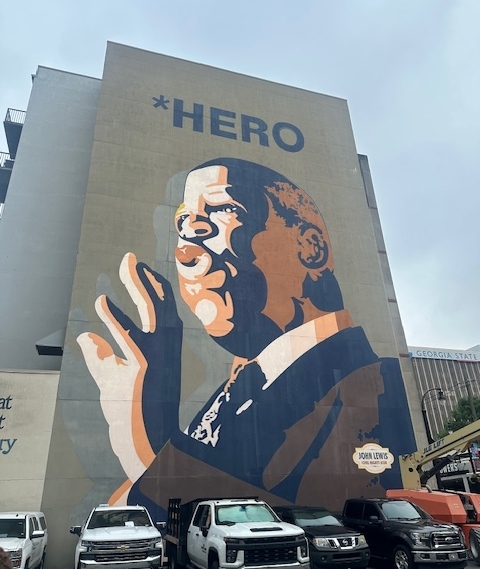
As I journeyed through this week I have been reminded of the power of the Black church and it’s significance throughout history. The Black church was not just a place to gather and learn about God but it was also a place for Blacks to gather, galvanize, strategize and address the issues of the times. The Black church provided a way for Black people to exercise their God given gifts of oral and written expression. The Black church provided resources to get the work done. I was amazed when we were told that the church provided the press for Mrs. Wells to publish her findings about lynchings.
I am wondering what is the Black church call to action today? How are “we” as members of the Black church addressing and providing support for addressing such issues facing our nation today? Are we sitting behind our stained glass windows just talking about the downward spiral of our nation or are we actively strategizing and engaging each other to make a difference?
Are we as members of the Black church informing our youth about the courageous people who have gone on before them that affords them the privileges that are taken for granted today? Would this knowledge which is not taught in schools inspire them to recognize the greatness within them and propel them forward? …A question I have for myself… What am I doing in my sphere of influence to make that change? …