by Camryn Camp
6/24/2026
Throughout the past four days of the Marching Down Freedom’s Road trip, I have gained a deeper understanding of the history of the Civil Rights Movement while discovering an overarching lesson that extends far beyond the events themselves: educating young people through overlooked stories has the power to shape a more just future.
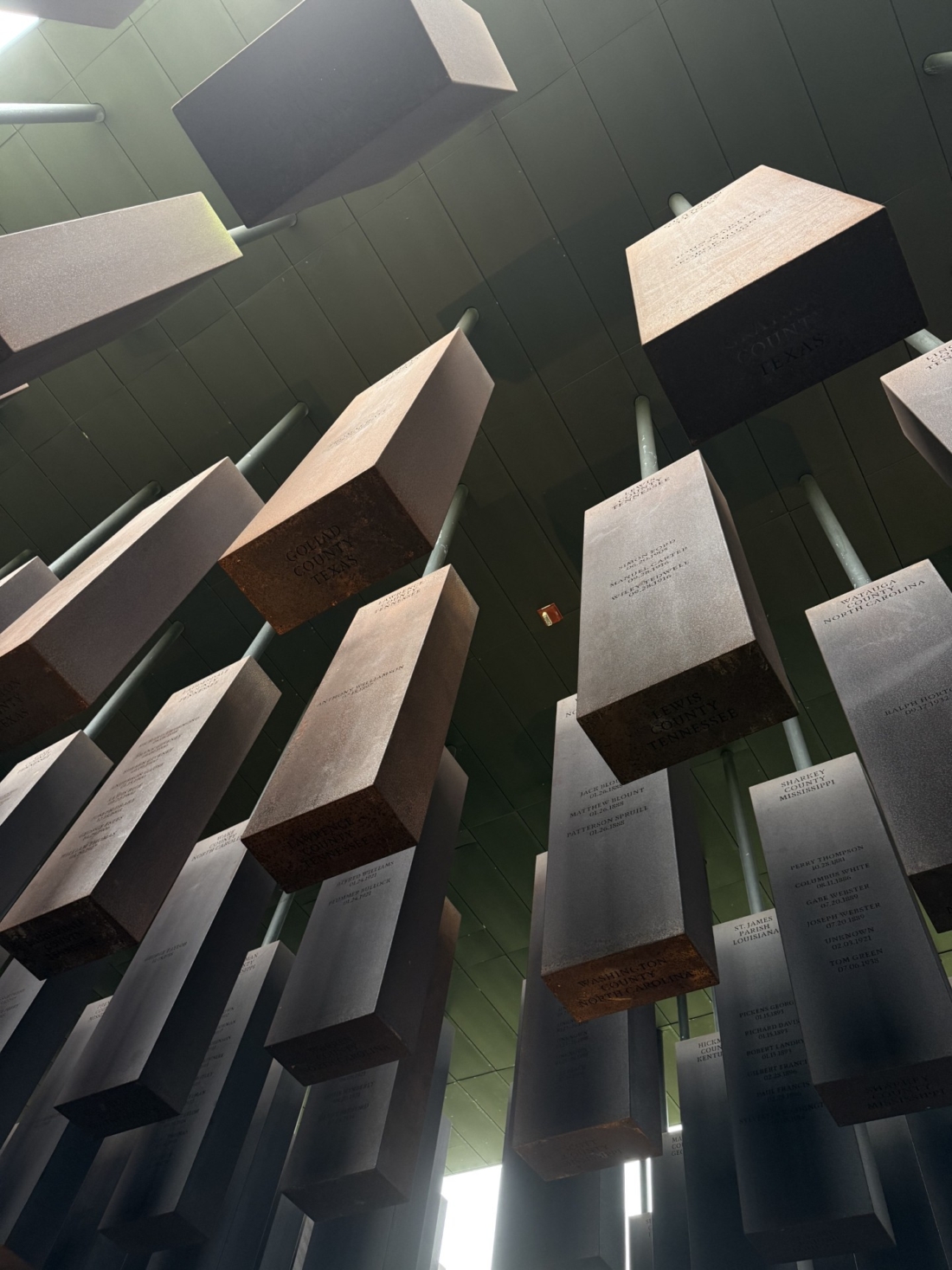
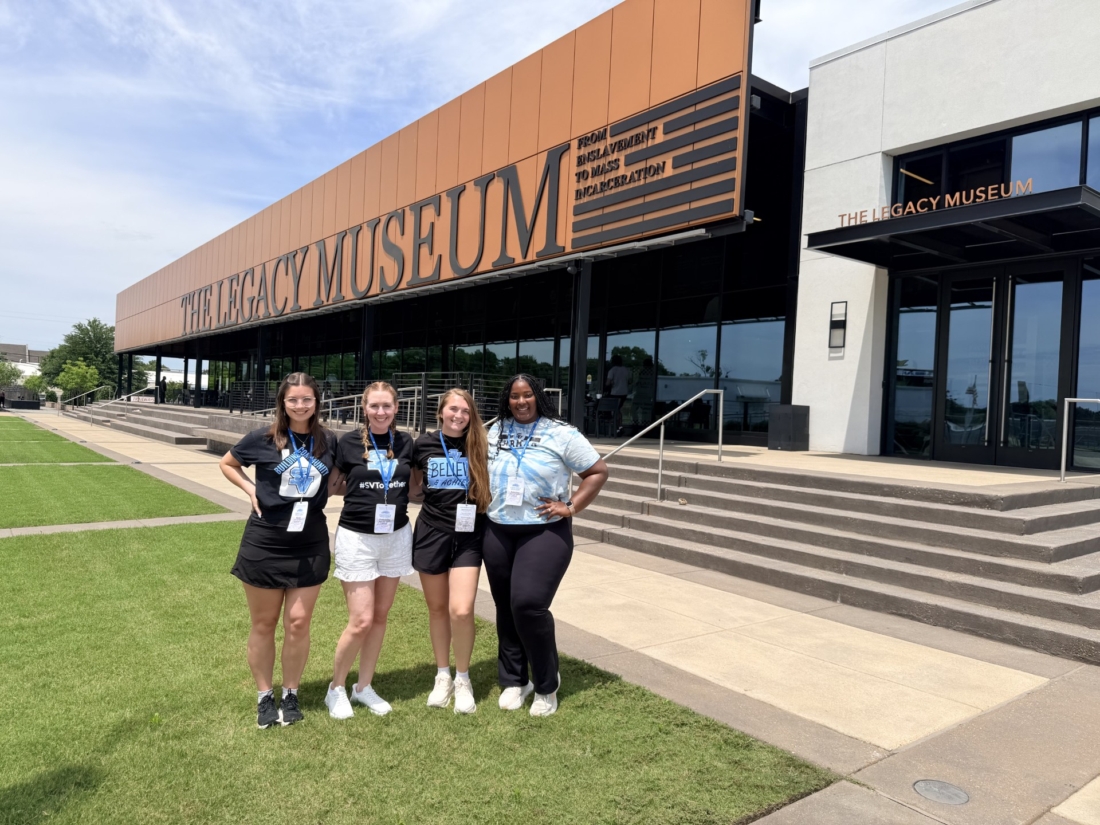
Today, our group visited the Legacy Museum in Montgomery, Alabama, which explores the history of slavery, racial terror lynching, segregation, and mass incarceration. While there, I watched a short documentary titled Uprooted, which follows the relatives of Thomas Miles Sr., a successful Black business owner who was lynched in Shreveport, Louisiana, in 1912 after being falsely accused of passing a note to a white woman. One of his family members, Luz Myles, says in the film, “You know you can read something, hear it secondhand, but it’s not the same as when you see it and feel it.” That quote has stayed with me because it captures what this entire trip has meant. Reading history in a textbook is important, but standing in the places where it happened, hearing firsthand accounts, and witnessing the humanity behind these stories creates an understanding that cannot be replicated.
Throughout this trip, I have encountered many stories that are often overlooked or omitted from traditional historical narratives. These are the stories of people whose humanity was denied—women and children separated from their families, innocent Black men convicted of crimes they did not commit, and countless individuals whose names and sacrifices have been forgotten. Too often, history is simplified into familiar heroes and milestones, while the painful realities of systemic injustice, economic exploitation, and the work of ordinary people who fought for change receive far less attention. When these stories are excluded, it becomes difficult for future generations to recognize how the past continues to influence present-day issues such as poverty, voting rights, educational inequities, and criminal justice.
As I reflected on these experiences today, I realized that one of the greatest responsibilities of educators is not simply to teach history but to teach it honestly. The stories that are left untold shape our understanding just as much as the stories we choose to include. If students only learn a sanitized version of the Civil Rights Movement, they miss the opportunity to develop empathy, critical thinking, and an appreciation for the courage of countless individuals whose contributions have been overshadowed. Education has the power to preserve memory, challenge injustice, and inspire future generations to become thoughtful and compassionate citizens.
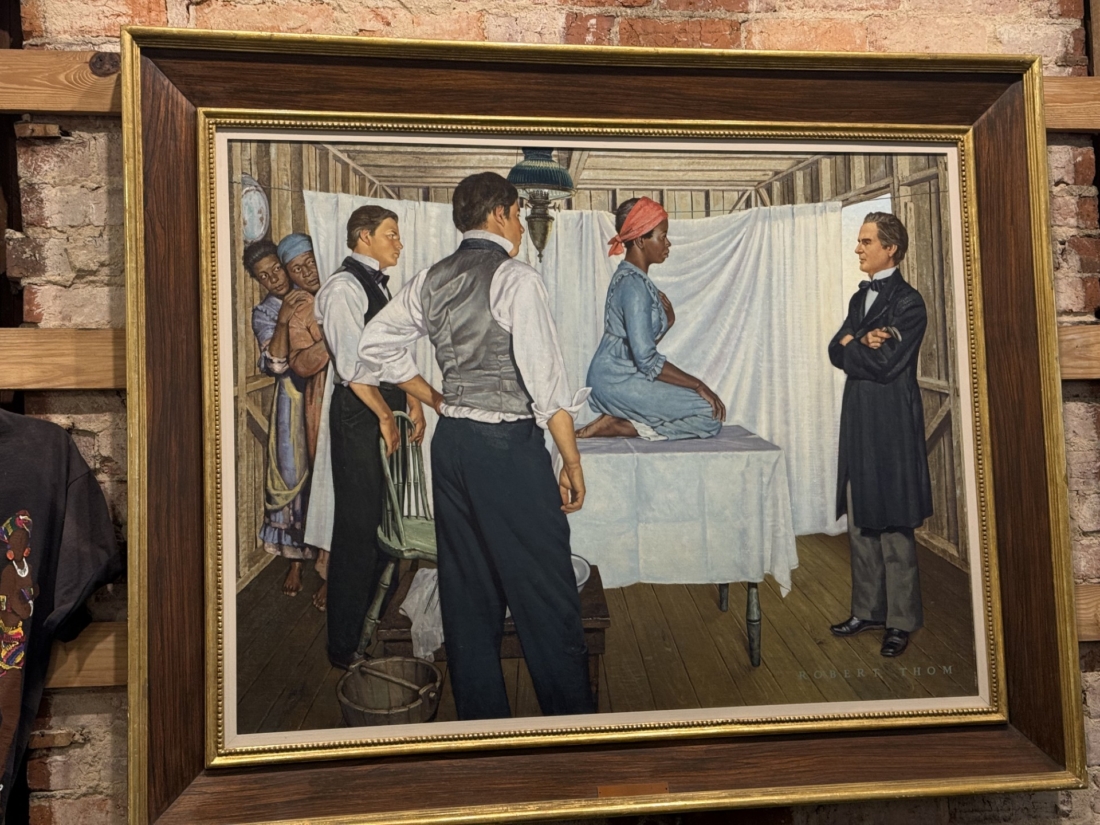
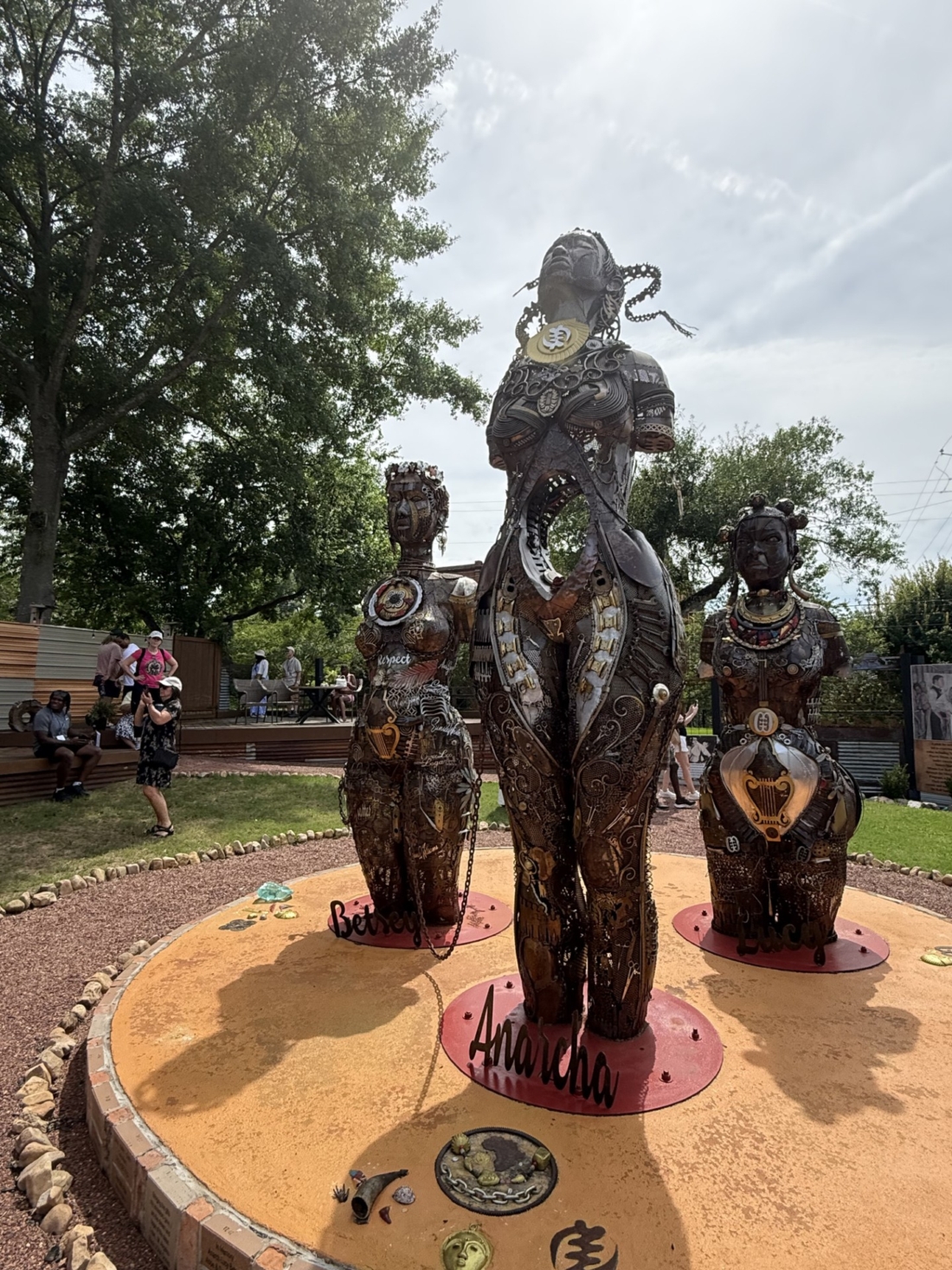
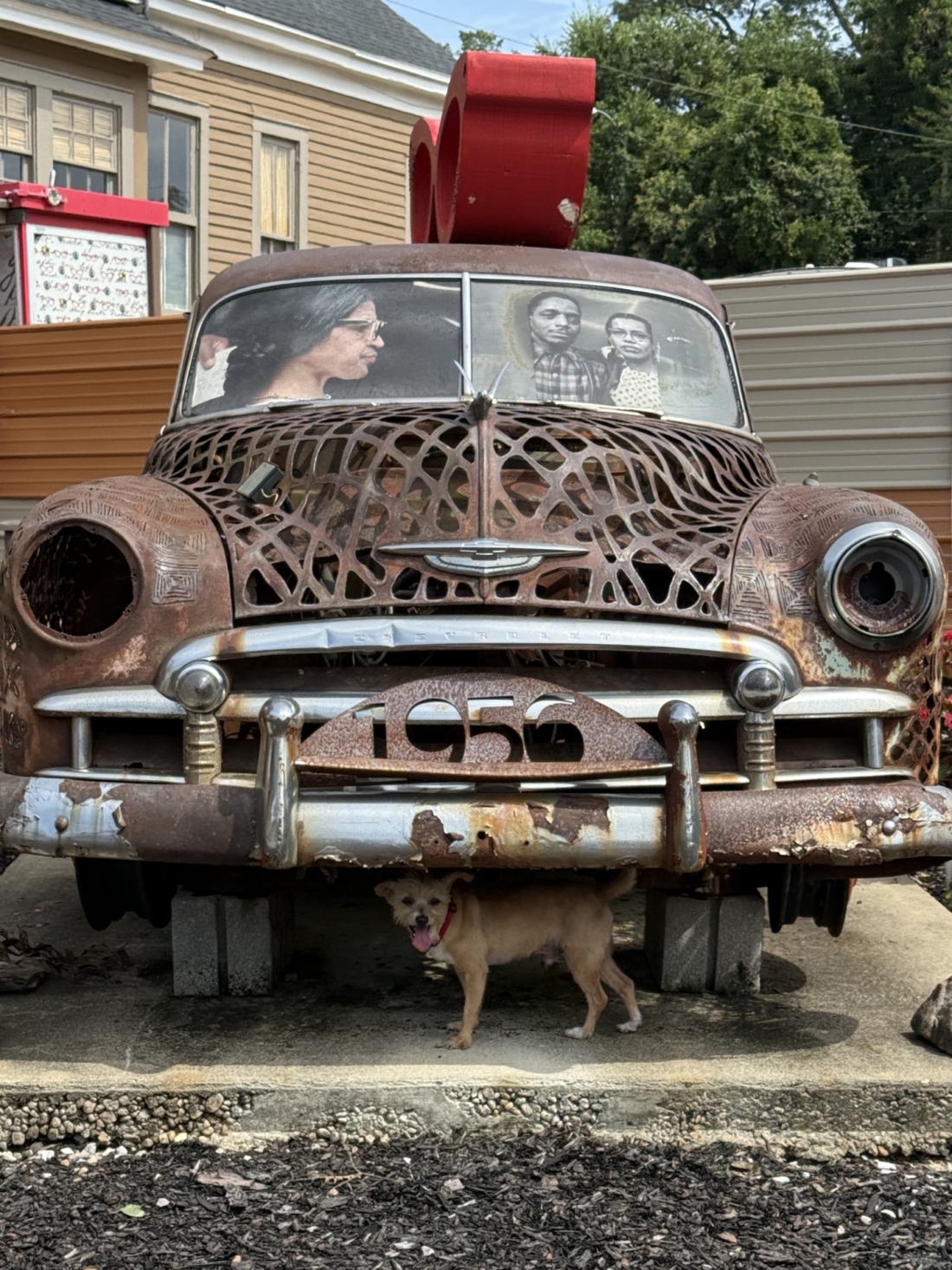
Another quote from Uprooted that resonated with me was shared by a woman who I believe was quoting Nelson Mandela’s statement: “Education is the most powerful weapon which you can use to change the world.” Later that day, our group met Michelle Browder, an artist and activist whose work does just that. She challenges the legacy of Dr. J. Marion Sims, a physician who performed experimental surgeries on enslaved Black women without their consent. Michelle spoke about the importance of looking back before we can move forward, reminding us that meaningful progress begins with acknowledging difficult truths rather than avoiding them.
As I prepare to return to my classroom, I am leaving with far more than photographs and souvenirs. I am bringing home new children’s books to read and add to my classroom library, powerful stories, meaningful conversations, and a renewed sense of purpose. This experience has challenged me to intentionally incorporate the voices of overlooked individuals into my teaching so my students develop a more complete understanding of our nation’s history. Every child deserves to learn not only about the well-known figures of the Civil Rights Movement but also about the countless individuals whose courage helped shape the world we live in today. By teaching these stories, we preserve their legacy, encourage empathy, and empower the next generation to recognize that they, too, can create meaningful change.
Listen to Thomas Miles Sr.’s story here: https://lynchinginamerica.eji.org/watch
Read about Michelle Browder here: Rethinking the Legacy of Marion Sims