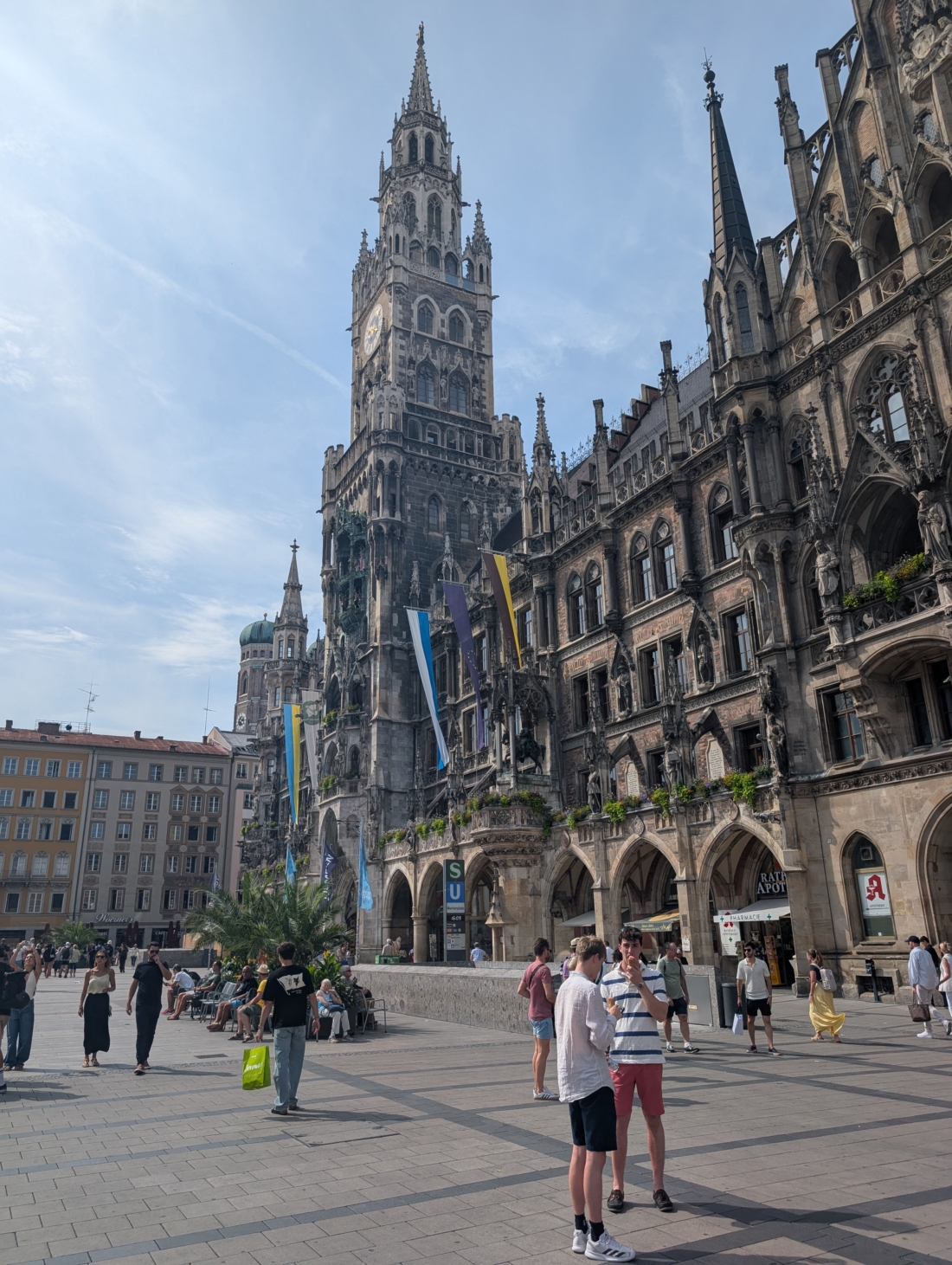
Today was our first day in Munich, and it was very interesting. My first impression was surprise at the size of the city and its topography. The image of Bavaria in my head was that of The Sound of Music. Munich was significantly larger than I expected and much flatter.
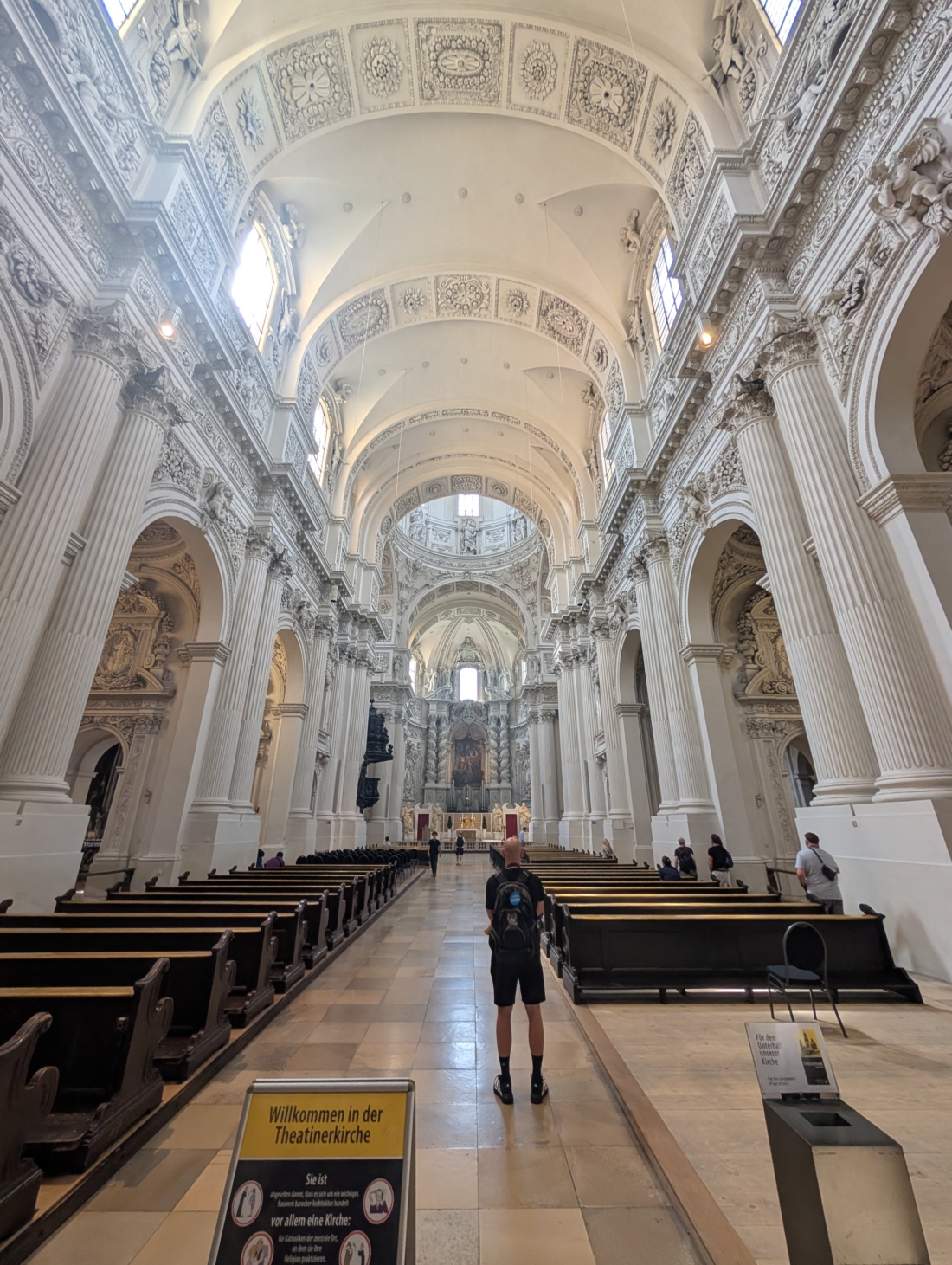
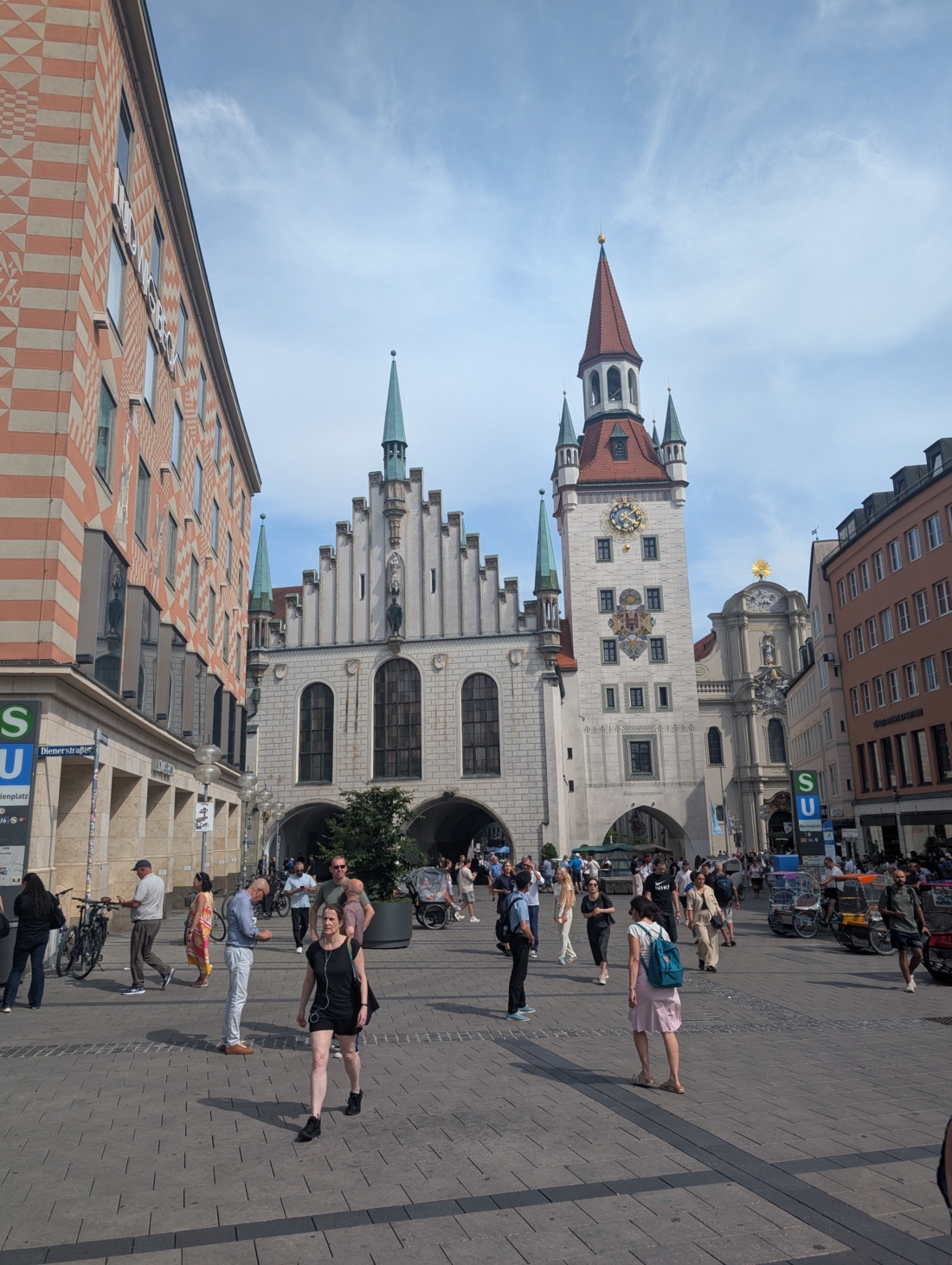
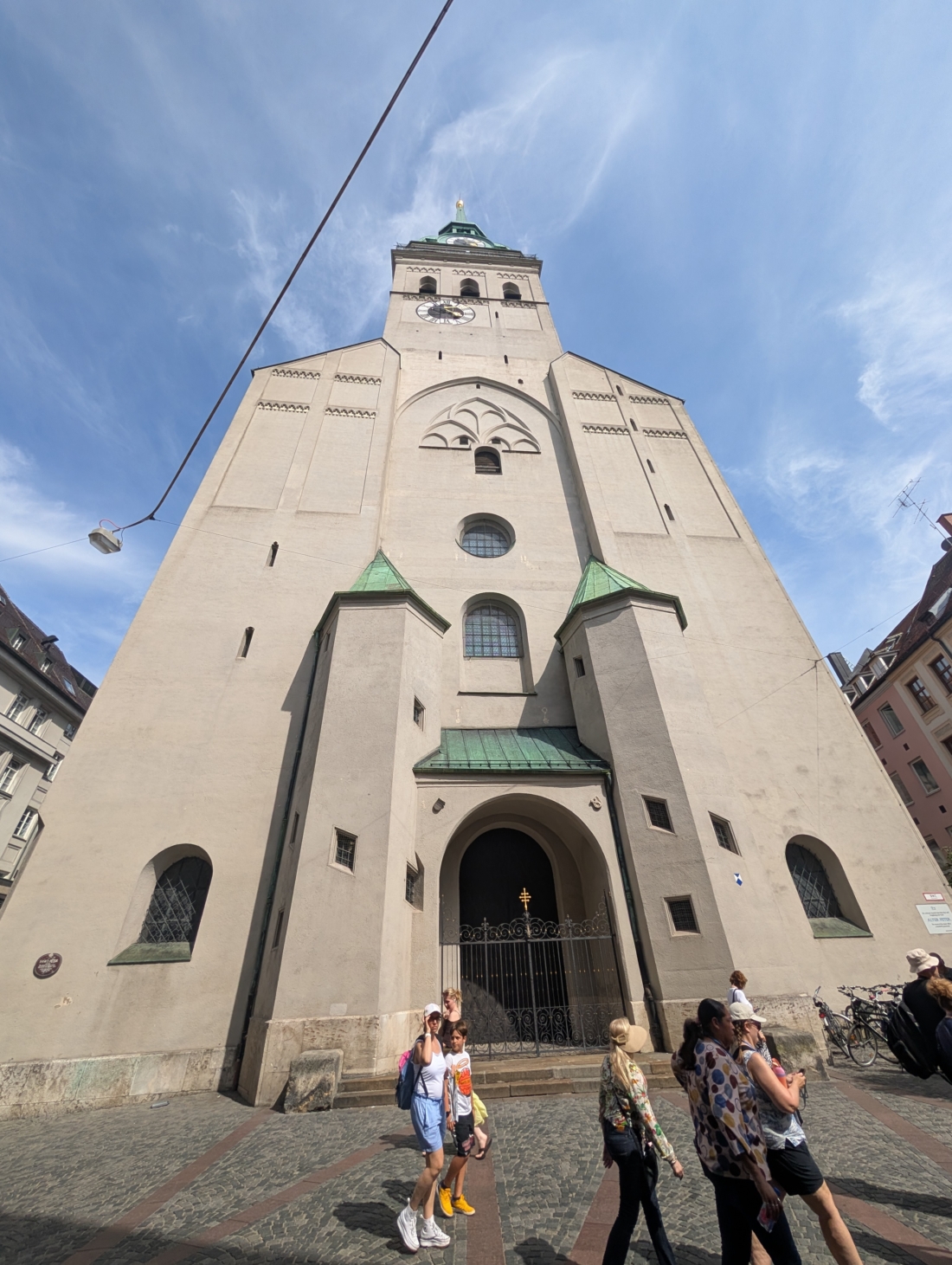
It was interesting to see how the city was rebuilt after the war. You could tell that the city was designed for modern rail and transportation, but the buildings take you back through centuries of architectural history. I was especially impressed that many of the churches were rebuilt to resemble their original designs.
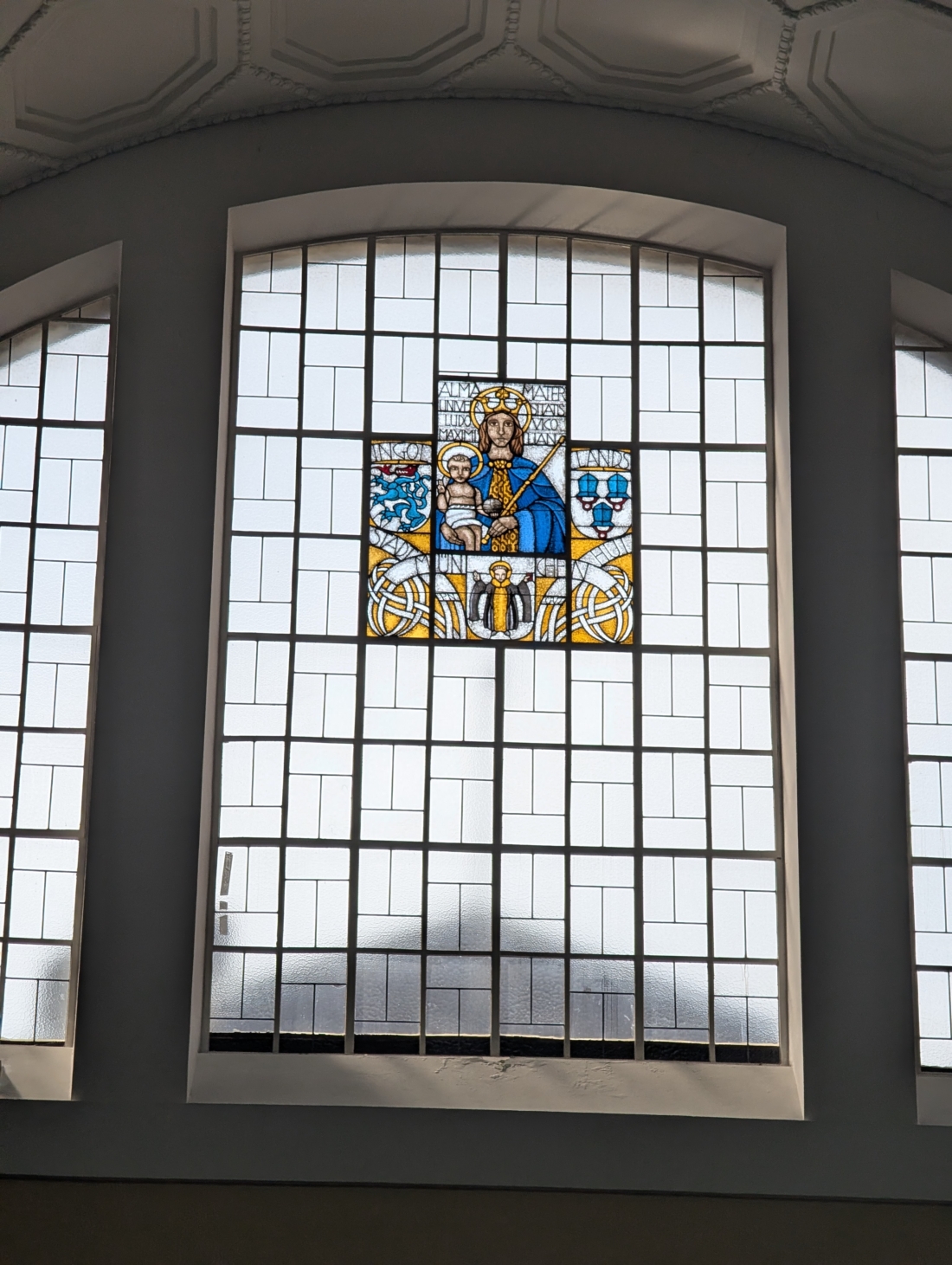
I immediately noticed the influence of the Catholic faith in Munich. A beautiful church seemed to sit on nearly every corner, suggesting the importance of religion in the city, both throughout its history and today. Even at Ludwig Maximilian University, a public university, Catholic imagery was prominent throughout the campus.
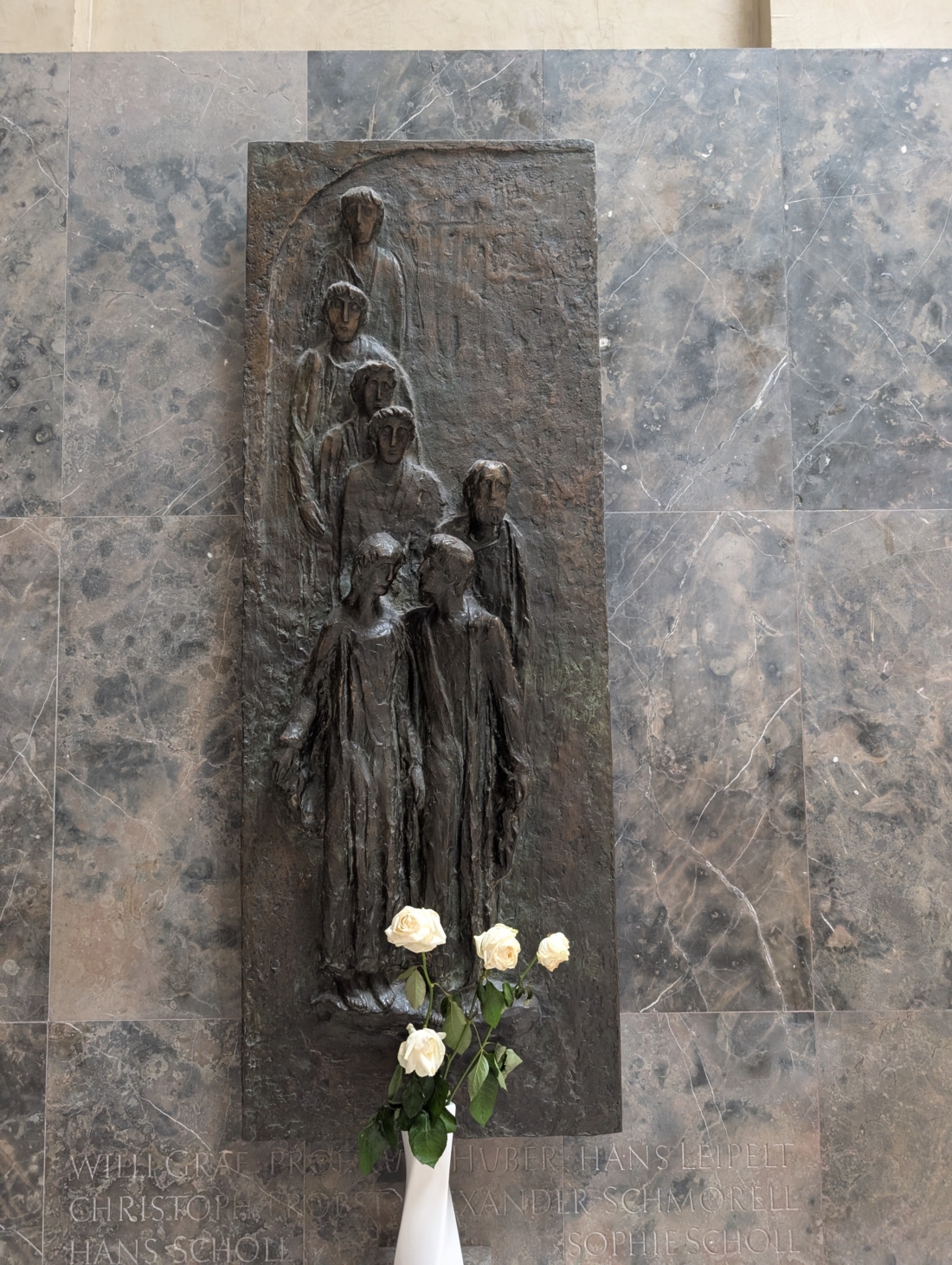
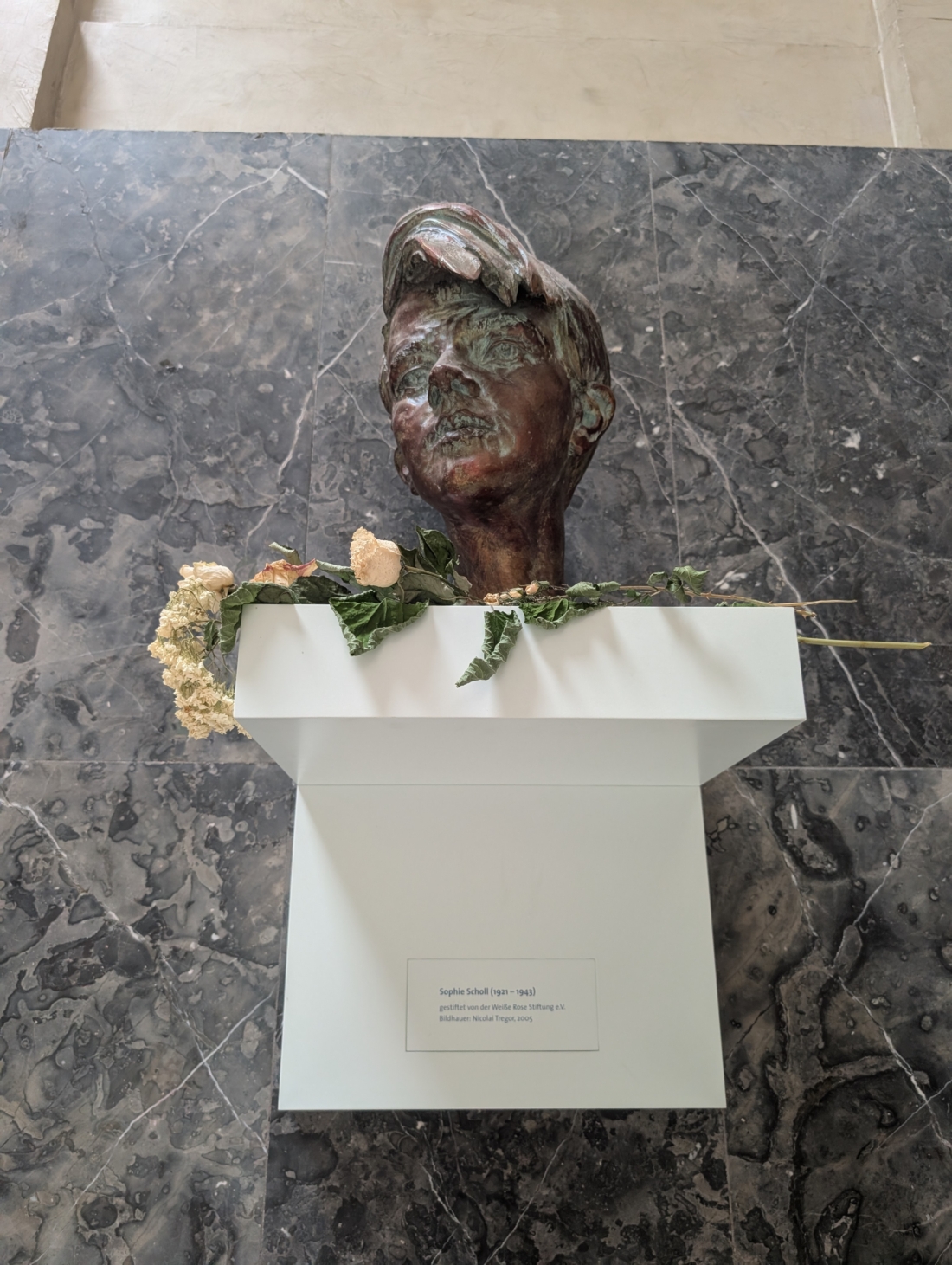
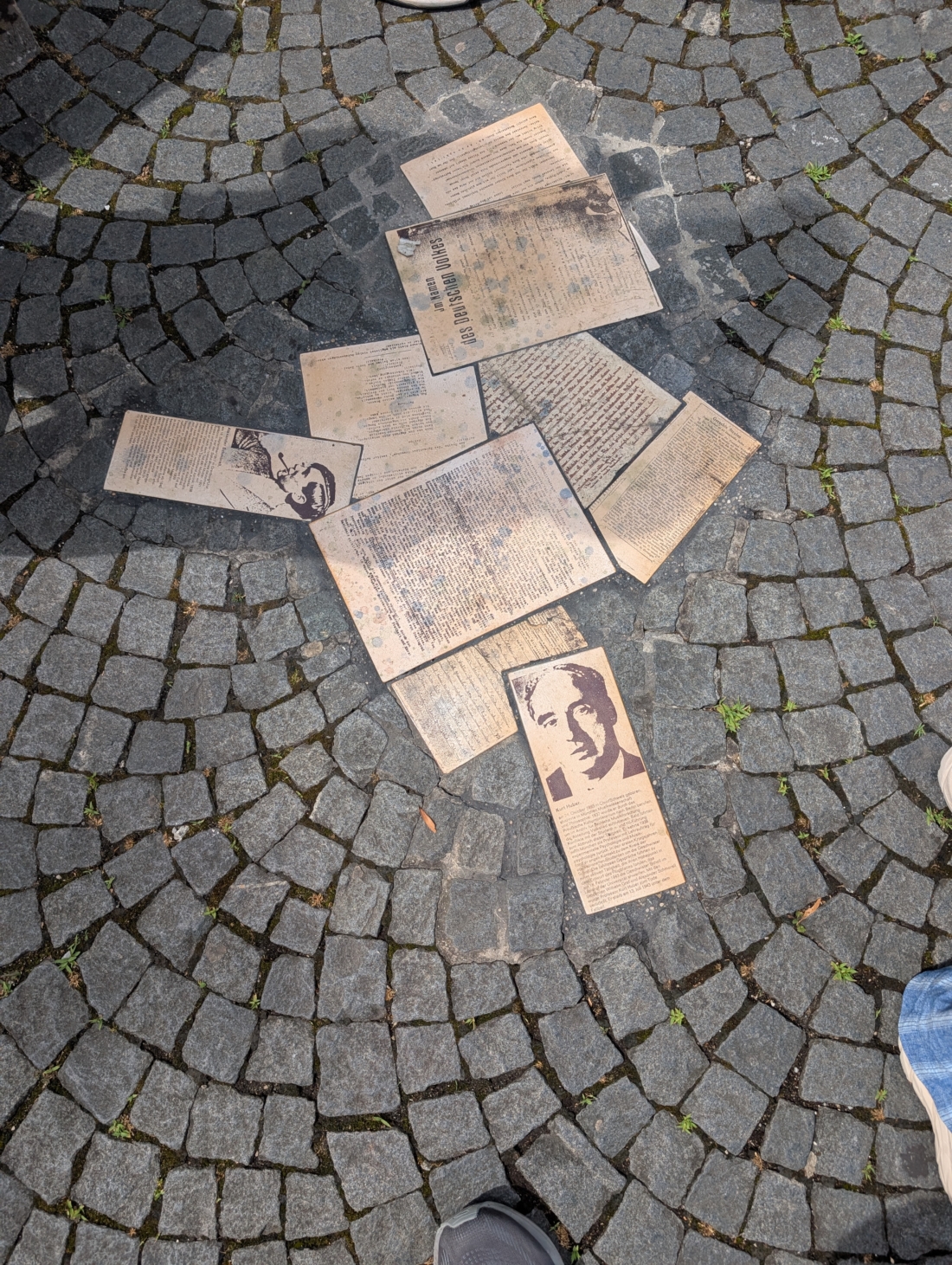
We also discussed the White Rose Movement and Hans Scholl and Sophie Scholl. I was previously unaware of their story and the broader resistance to the Nazis. It was inspiring to learn that some German young people refused to capitulate and submit to fascism. Throughout my study of history, I have learned that the voice of youth can be a powerful force in shaping history. The Nazis were able to harness that voice to spread propaganda and hatred, but there was another voice—one of courage and conscience. The Nazis used terror and murder to suppress it, but its message endured and continues to inspire people today. Decades later, that legacy was embraced by a new generation of Germans during the 1960s and 1980s, contributing to Germany’s ongoing process of self-reflection and reckoning with its past.
Lastly, we visited the Orthodox synagogue. Rabbi Shmuel was truly inspiring in his openness and willingness to engage with others and educate them about Jewish life in Munich. His welcoming presence created an atmosphere where we could ask questions openly and have honest conversations without hesitation. I was impressed by the positive relationship between the synagogue, the local community, and the German government. This was a stark contrast to my trip to Poland in 2017, where discussions about the Holocaust often seemed uncomfortable, discouraged, or even actively suppressed.