As a teacher studying in Poland and walking the grounds of Auschwitz, I found myself face to face with one of history’s darkest truths: the systematic erasure of identity.
Here, where over a million men, women, and children were murdered, each step echoes with stories silenced by numbers.
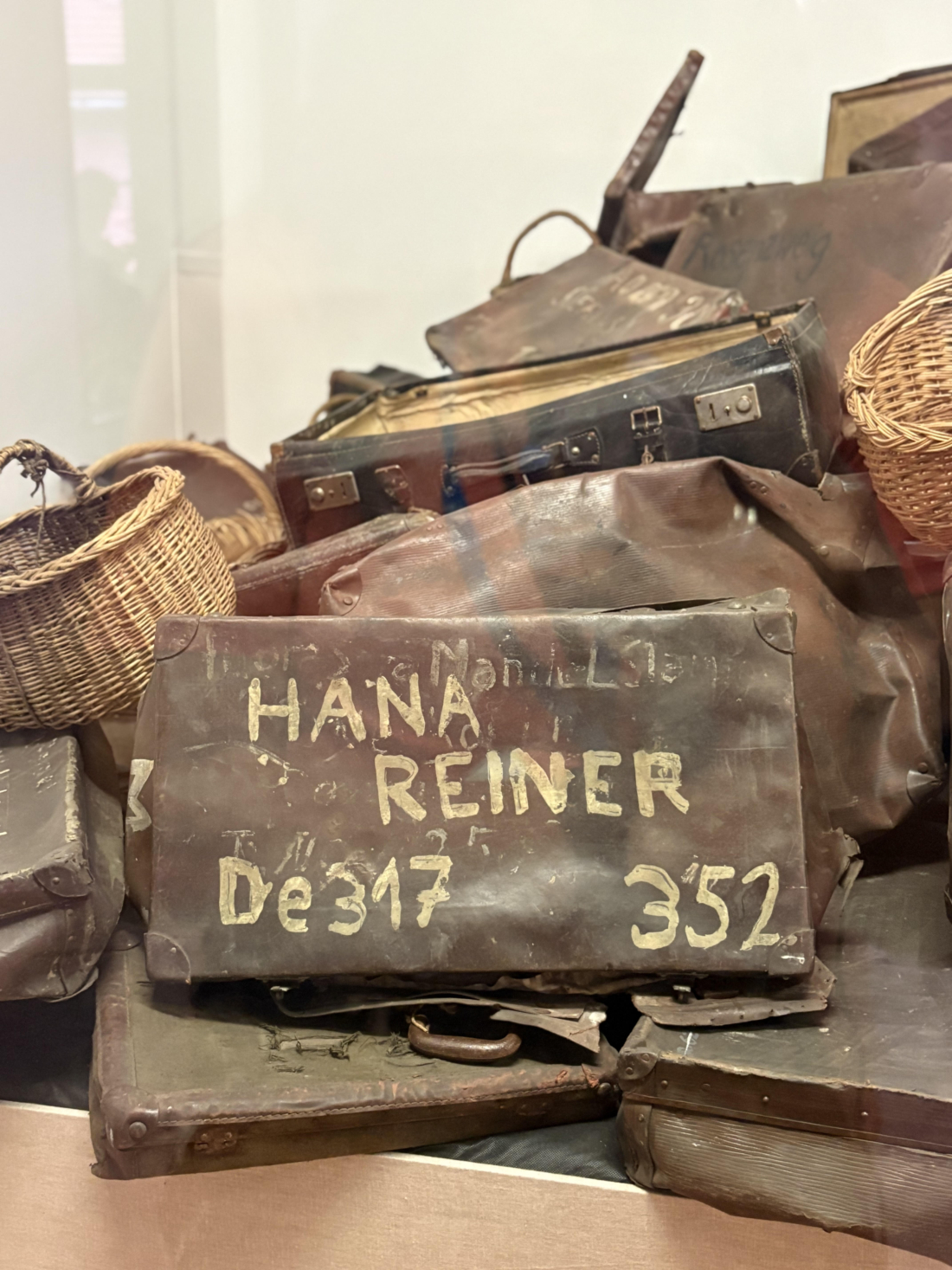
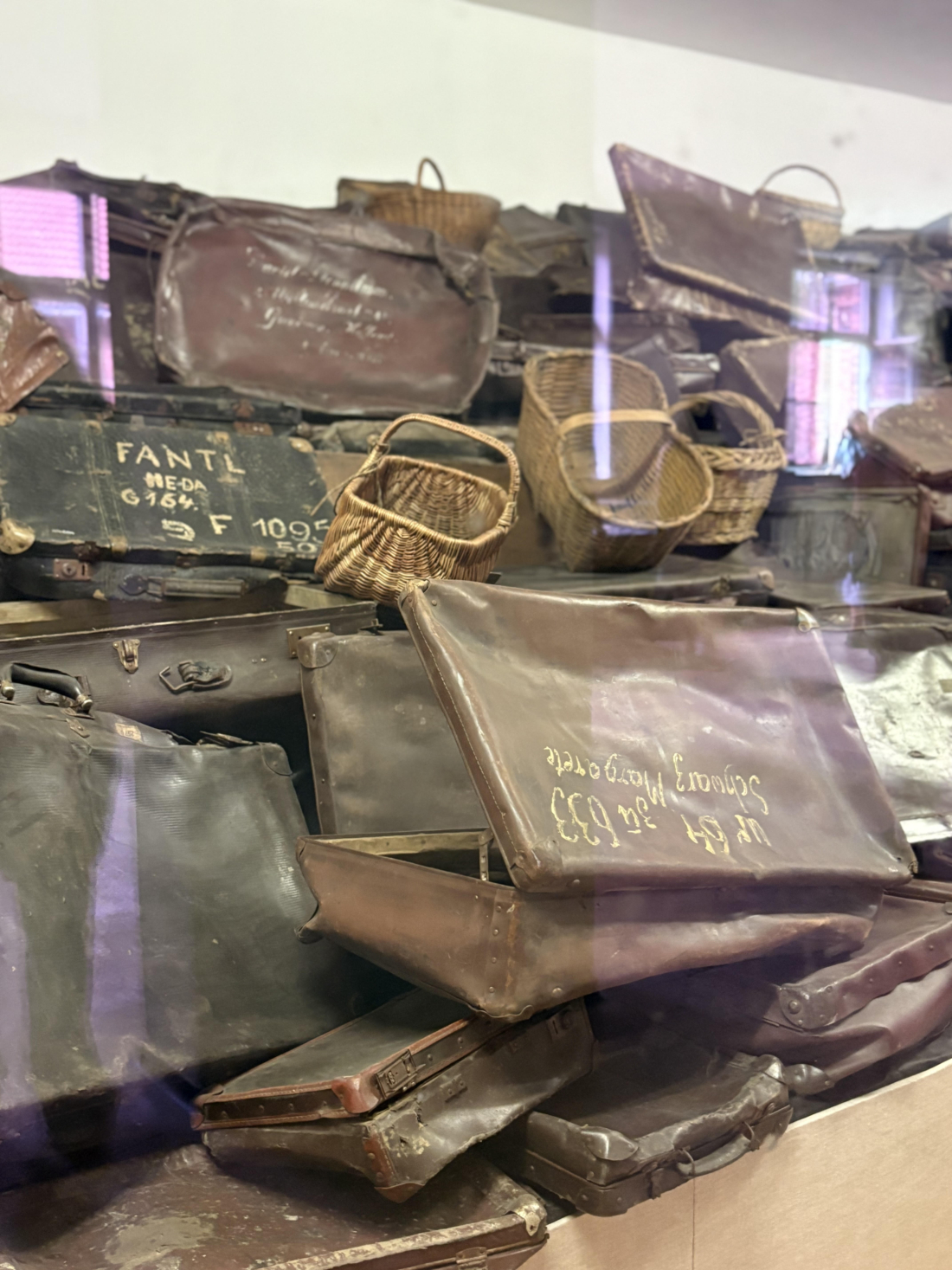
Prisoners at Auschwitz were stripped of their names, their clothing, their hair, and their dignity as they entered the camp through a sorting line. A brief and thoughtless interaction, lasting only seconds, reduced a human being to a number. A name, a symbol of family, heritage, and culture, was replaced with digits: a deliberate and dehumanizing attack on their identity.
Their professions, dreams, languages, and religions were erased under a brutal ideology that sought not only to end lives, but to erase the very idea of those lives.
But identity, I have learned throughout this journey, is more resilient than hate.
As educators, we carry a responsibility to go beyond the statistics. Yes, six million Jews were murdered in the Holocaust. But behind each number is a name. A mother. A child. A pianist. A baker. A neighbor. When we speak of the Holocaust, we must bring these identities back into view.
During my visit, I saw photographs recovered from victims’ families. I read letters, diaries, and last recorded words. These fragments remind us: they were someone.
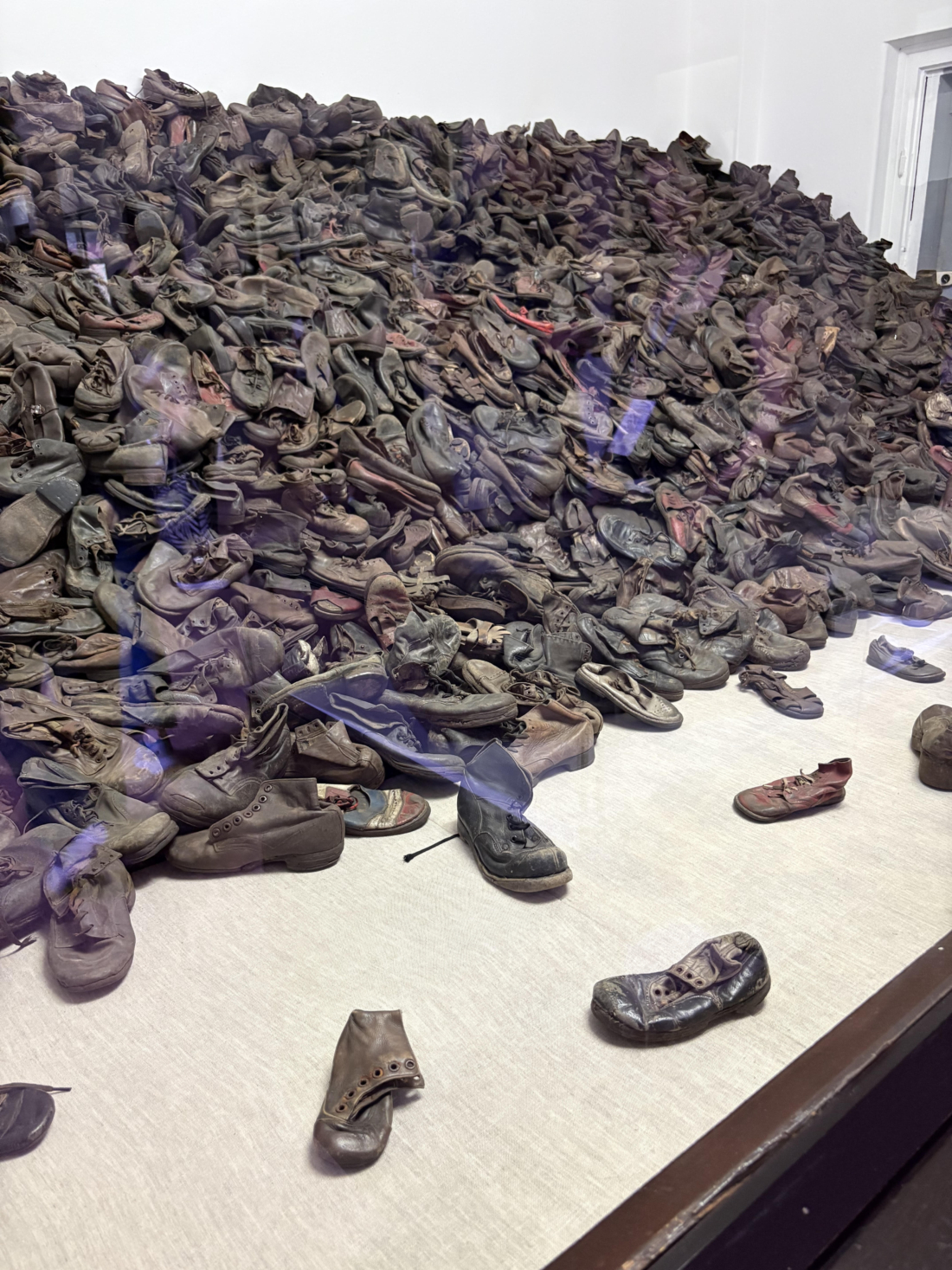
Today, as a mother, I stood in front of a display of children’s shoes. No names. Just tiny shoes. But as I stood there, I couldn’t help but imagine: Whose feet were in those shoes? What stories did they carry? What dreams?
When I think about today, my role is to help my students ask those questions. To ensure that when they hear “1.1 million murdered at Auschwitz,” they don’t think of an unfathomable number—they think of faces, voices, laughter, prayers, songs, and love lost.
Identity was taken from so many during the Holocaust. But through remembrance, we can give it back.
We fight forgetting. We fight silence.
And we make sure the world remembers not just the horror, but the human.